January 1992: the Tashkent student protests and the price reform
On 16–17 January 1992, in the first weeks of independence, a student protest against a sharp rise in prices took place in Tashkent. Long underdocumented, the event is recorded as one of the largest open protests in independent Uzbekistan. Below, the facts of the event — its date, cause, scale, official and alternative figures on casualties, and political consequences — are presented neutrally and strictly on the basis of reputable sources.
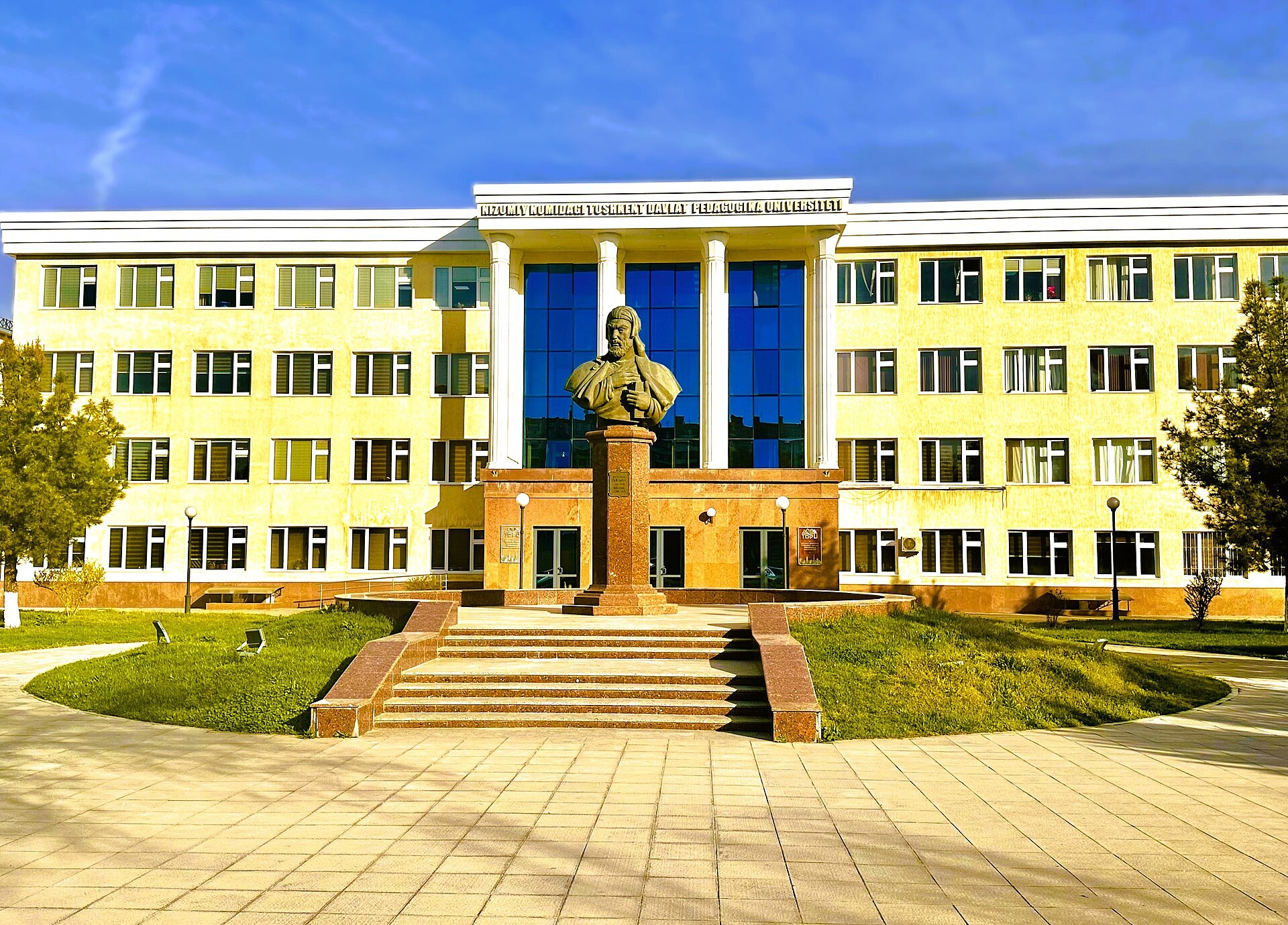
In January 1992, during the first weeks of Uzbekistan's independence, a student protest against a sharp rise in prices took place in Tashkent. This article presents the documented facts of the event strictly on the basis of reputable sources, neutrally and on a facts-only basis. The aim is not to judge but to present a historical event with precise dates, figures, and sources.
Background: the liberalization of prices
On 2 January 1992, prices were sharply liberalized in Russia under President Boris Yeltsin. Along the same lines, on 16 January 1992, the government of Uzbekistan also took measures introducing a free-market pricing system: state price controls were removed from some staple foods such as bread, and food coupons (ration cards) were introduced for distribution. At the same time, scholarship payments to students had been delayed. All of this directly affected the living conditions of the population, especially students.
The protest: 16–17 January
Angered by the rise in prices and the delay in scholarships, students — mainly from the National University of Uzbekistan (then Tashkent State University) — took to the streets. According to reports, about 10,000 students went out and marched toward the center, toward the government building; some food stores were damaged along the way. The events unfolded mainly around the student campus.

The use of force and casualties
According to reports, Tashkent police first fired into the air, then opened fire and drove the students back to the campus with clubs. According to official figures, 2 students were killed, 10 people were injured, and at least 100 were arrested in the clash. Some witnesses and later recollections put the number of dead far higher than the official figure — "more than 100" or "more than 200"; these figures have not been independently confirmed. The security official Vilor Niyazmatov, for his part, disputed this account, saying that the police did not fire on the protesters despite the deaths. This gap in the figures shows that a full account of the event remains contested.
Consequences
On 18 January, students who did not live in Tashkent (those from other regions) were expelled from the city, and classes were suspended until 10 February. On 20 January, the government blamed "political provocateurs" for the events. The events also had political consequences: the then vice-president, Shukrullo Mirsaidov, resigned in January 1992, partly against the backdrop of the suppression of the protest; the post of vice-president itself was also abolished that month.
The broader context
The events of January 1992 coincided with the earliest — and economically hardest — period of independence. The transition from the Soviet planned economy to a market economy came with sharp price rises and shortages. In the same period there were changes on the political scene as well, and pressure on opposition movements such as Birlik and Erk had intensified. The student protest in Tashkent went down in history as one of the largest open mass protests in independent Uzbekistan.
Conclusion
The events of January 1992 are a historical episode reflecting the economic and social tension of the early period of Uzbekistan's independence. This article presents only documented facts — the date, cause, scale, and official and alternative figures — on the basis of reputable sources; a full, independent assessment of the number of casualties and the details of the event remains an open question.

Sources
- Wikipedia — 1992 Tashkent student protests (sana, sabab, koʻlam, qurbonlar, Niyozmatov bayoni)
- RFE/RL — My Memories Of Karimov's Uzbekistan (rasmiy va muqobil qurbon raqamlari)
- Wikipedia — Shukrullo Mirsaidov (vitse-prezidentning iste'fosi, 1992)
- Wikipedia — Islam Karimov (mustaqillikning ilk yillari, siyosiy kontekst)