How the IMF and the World Bank work: structure, functions and Uzbekistan
The IMF and the World Bank were created at the 1944 Bretton Woods conference. The IMF deals with currency stability and balance-of-payments crises; the World Bank Group finances long-term development projects. This explainer sets out their structure, the quota and voting system, the SDR, and Uzbekistan's membership — on the basis of sources.
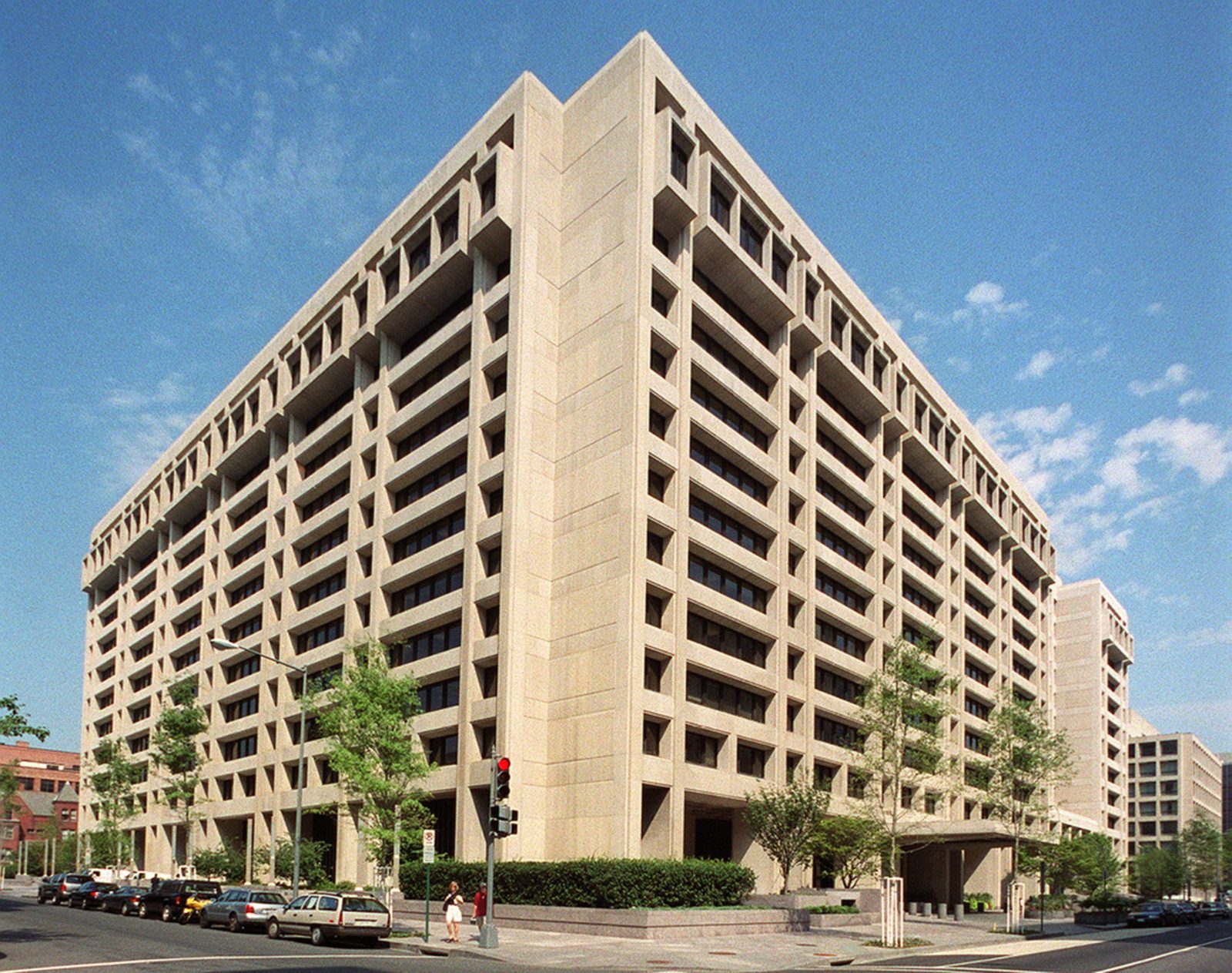
The International Monetary Fund (IMF) and the World Bank are two major international financial institutions created at a conference held in July 1944 in the town of Bretton Woods, in the United States, at the end of the Second World War. Both are headquartered in Washington, D.C. Below, their functions, structure and relationship with Uzbekistan are set out on the basis of sources.
When and how they were founded
The Bretton Woods conference took place in July 1944, with 44 countries participating. The IMF formally came into existence on 27 December 1945 with 29 member countries, and began financial operations on 1 March 1947. The International Bank for Reconstruction and Development (IBRD), the core of the World Bank, began operations on 25 June 1946 and approved its first loan in 1947.
What the IMF does
The IMF currently has 191 member countries. Its three core activities are: surveillance — monitoring member economies and giving advice; lending — providing loans to countries facing balance-of-payments crises; and capacity development — technical assistance and training. The IMF acts as a kind of lender of last resort and is able to lend its members roughly $1 trillion in total.

The quota and voting system
Each member is assigned a quota based on its relative size in the world economy. The quota determines both a country's voting power and its access to IMF financing. The largest voting share belongs to the United States. The World Bank operates a similar voting system (the US holds the largest share, followed by countries such as Japan, China and Germany).
The SDR — Special Drawing Rights
In 1969 the IMF introduced an international reserve asset called the Special Drawing Right (SDR). The SDR is the IMF's unit of account and is defined against a basket of major world currencies. It serves to supplement countries' official reserves.
The World Bank Group: five institutions
The World Bank is in fact a group of five institutions: the IBRD (1944, 189 members) lends to middle-income countries with a sovereign guarantee; the IDA (1960, 175 members) provides concessional, interest-free loans or grants to the poorest countries; the IFC (1956) finances the private sector; MIGA (1988) provides insurance against political and other risks; and ICSID (1965) settles investment disputes. The group's stated mission is to end poverty and boost shared prosperity.
The difference between the IMF and the World Bank
Although both institutions were created at Bretton Woods, their roles differ. The IMF deals mainly with the stability of the monetary system, the balance of payments and short-to-medium-term financial stability. The World Bank lends and grants for long-term development projects such as roads, water, energy, education and health.
Uzbekistan and these institutions
After gaining independence, Uzbekistan joined the international financial system: it became a member of the IMF on 21 September 1992 (with a quota of about 551.2 million SDR) and also joined the World Bank in 1992. Since then these institutions have taken part, with advice and financing, in Uzbekistan's economic reforms and its infrastructure and social projects.
