UAE re-enters the Yemen war: Saudi Arabia provides air cover as Houthis strike Riyadh
The United Arab Emirates has agreed to resume funding southern anti-Houthi forces in exchange for Saudi air support. Fighting in Yemen has intensified since the 2022 UN ceasefire collapsed in July.
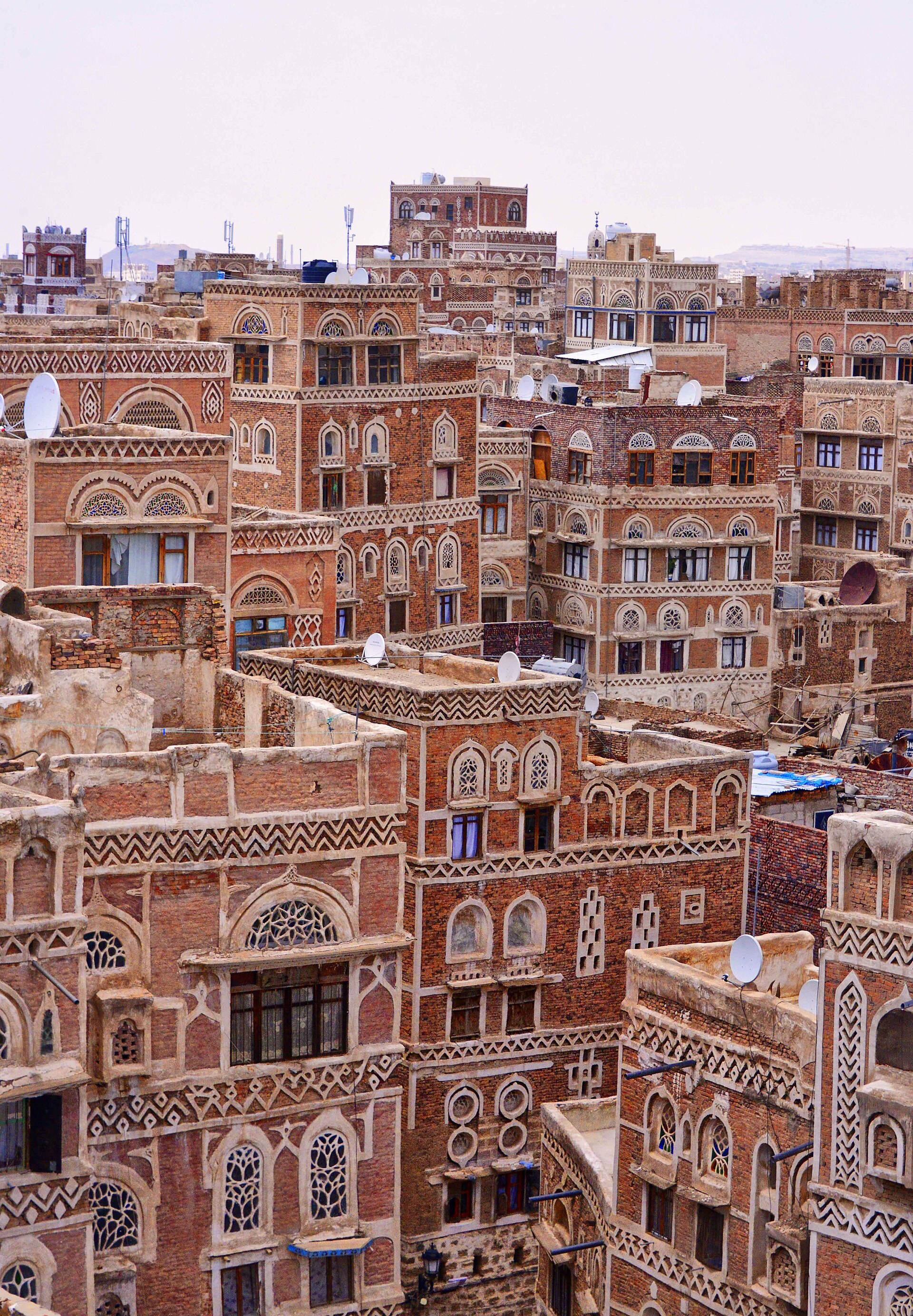
The United Arab Emirates (UAE) has agreed to resume funding southern forces fighting the Houthis in Yemen — chiefly the Giants Brigades — in exchange for Saudi Arabian air cover. It is the first thaw between the two Gulf states after a dispute over Yemen: the UAE withdrew from operations and halted funding in January 2026. Intensifying Houthi attacks have alarmed Gulf rulers.
How the ceasefire collapsed
A UN-brokered truce from 2022 largely held until 2026. Tensions spiked in July when, after Saudi forces struck Sanaa airport, the Houthis declared the ceasefire void and imposed a naval blockade on Saudi Arabia. Fighting then resumed.
The battlefield
Heavy fighting continues between the Iran-backed Houthis ("Operation Allah is Stronger") and the Saudi-backed Presidential Leadership Council forces ("Operation Dawn of Yemen"). Government spokesman Majeed al-Nuzaili said 2,309 strike operations had been carried out and 460 Houthi vehicles destroyed as of 15 October; government forces retook Sabr al-Mawadim and al-Sarari in Taiz. Overall, 1,282 people have been killed in Yemen, more than 5,890 wounded and 201,217 displaced.

Attacks on Saudi Arabia
On 10 October a Houthi missile hit King Khalid International Airport in Riyadh, killing 12 people and wounding more than 300 — the deadliest attack on the kingdom in over a decade; the airport was closed until 17 October. Another 2 people were killed at Abha airport; an Aramco facility in Dhahran had a building damaged but no casualties. Across the campaign, Saudi Arabia recorded 21 killed and more than 440 wounded.
Both sides are Muslim
Saudi Arabia's king holds the title "Custodian of the Two Holy Mosques" — Mecca and Medina are in the kingdom. Both warring sides are Muslim: the Iran-backed Houthis on one side, and the Saudi- and UAE-backed government on the other. The government forces also receive support of various kinds from Pakistan, Turkey, the US, the UK and France.
What the UN said
In a statement in Amman on 11 October, UN Special Envoy for Yemen Hans Grundberg condemned the attacks on civilian infrastructure in Saudi Arabia, calling them "a grave escalation," and urged the Houthis to cease attacks and to spare civilians.
Why it matters
Yemen borders Saudi Arabia and controls the Bab al-Mandab strait — a vital sea lane linking the Red Sea to the Gulf of Aden. The war and the Gulf states' involvement therefore affect regional security, oil and global trade.
