EU–Uzbekistan: EPCA in Force Since 1 March, GSP+ Rules Change in 2027
The Enhanced Partnership and Cooperation Agreement was signed on 24 October 2025 and has been provisionally applied since 1 March 2026. Requirements under the EU's preferential trade scheme tighten next year.
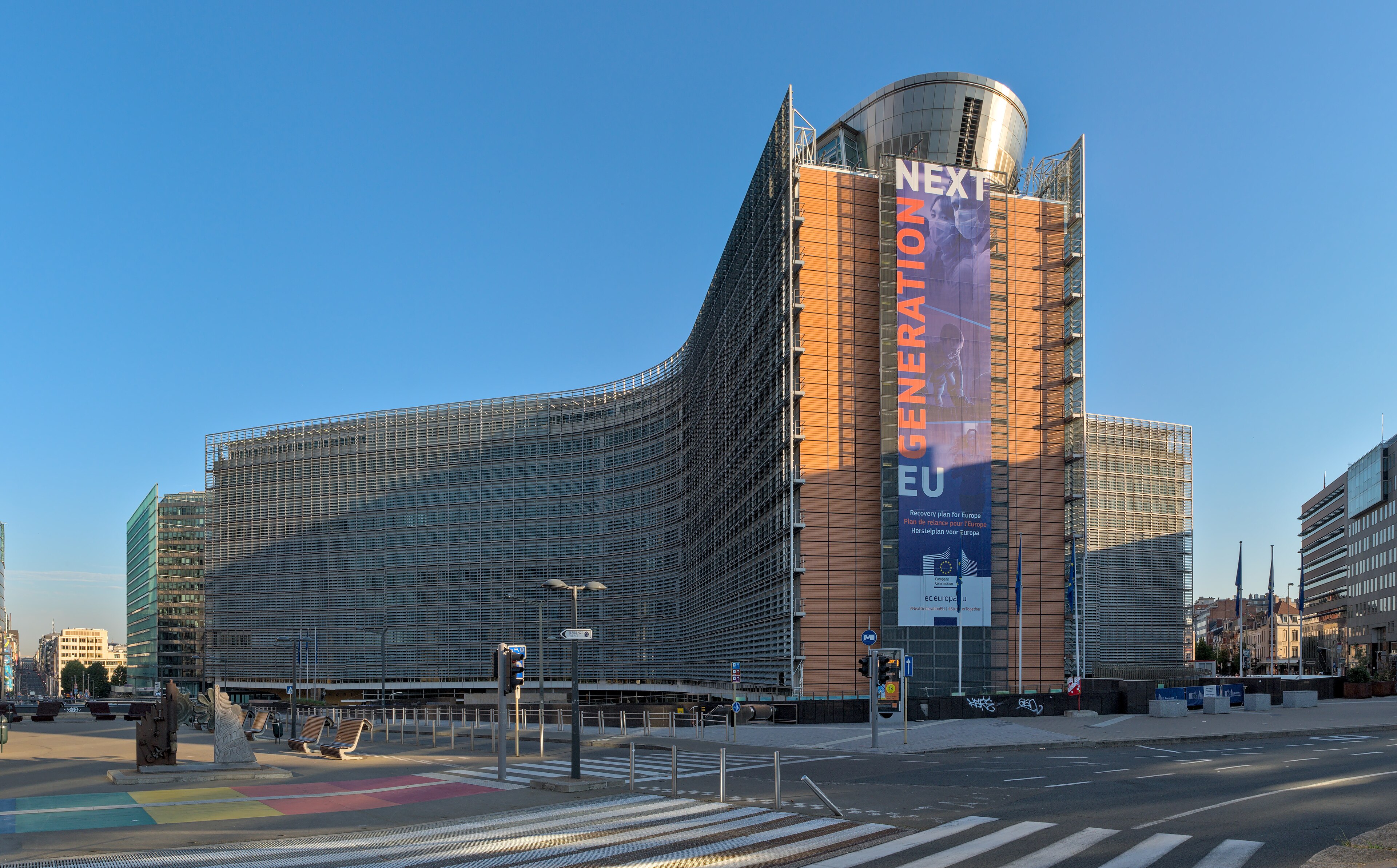
Relations between Uzbekistan and the European Union moved onto a new legal footing in 2026. The Enhanced Partnership and Cooperation Agreement (EPCA) has been provisionally applied since 1 March 2026.
How the agreement was signed
The document was signed in Brussels on 24 October 2025 by Uzbekistan's Foreign Minister Bakhtiyor Saidov and EU High Representative Kaja Kallas.
EPCA replaces the Partnership and Cooperation Agreement signed in 1996. The new text runs to 9 sections, 356 articles and 14 annexes.
Trade by the numbers
- EU–Uzbekistan trade (2024): nearly €4.8 billion
- EU share of Uzbekistan's external trade (2024): 10.4%
- EU goods trade with Uzbekistan has nearly doubled since 2020
- GSP+ preference utilisation rate (2024): 92.2%
- EPCA signed: 24 October 2025, Brussels
- Provisional application from: 1 March 2026
- Size of the text: 9 sections, 356 articles, 14 annexes
What GSP+ is and what changes
Uzbekistan has been a beneficiary of the EU's GSP+ — the Special Incentive Arrangement for Sustainable Development — since 2021, giving it preferential access to the EU market.
According to The Times of Central Asia, GSP+ currently requires ratification and implementation of 27 international conventions. Under the new rules that number rises to 32.
The new GSP rules take effect in January 2027. The deadline to reapply in order to retain the status is the end of 2028.
The regional picture
Two Central Asian countries hold GSP+ status: Uzbekistan and Kyrgyzstan. Tajikistan is covered by standard GSP. Kazakhstan and Turkmenistan are excluded as upper-middle-income economies.
EU assessments
The Times of Central Asia reports that the EU's own review records setbacks in media freedom, civil society and judicial independence, while recognising progress on labour standards and protections for women and children.
The European Parliament adopted a resolution concerning Uzbekistan in May 2026.
Official statement
The Enhanced Cooperation and Partnership Agreement provides a framework for Uzbekistan and the European Union to work together for the mutual benefit of our citizens. It is the moment to consolidate an already strong partnership.
— Ursula von der Leyen, President of the European Commission (on the signing of EPCA, 24.10.2025)
The European Commission described the agreement as a significant milestone in Uzbekistan's ongoing accession process to the World Trade Organization.
Regional context
EPCA builds on the EU–Central Asia Summit held in Samarkand in April 2025, where Brussels announced a €12 billion Global Gateway package for regional infrastructure.
The agreement covers regional connectivity, including the Trans-Caspian Transport Corridor and cooperation on digital and sustainable transport links.
On sourcing
The GSP+ and EU-assessment details in this report come from an article published by The Times of Central Asia on 14 September 2026, written by Aqidakhon Samatova, a 2026 political science graduate of Uzbekistan State University of World Languages.