Rubio's Samarkand remark revives the Russian-language debate — but the clip was out of context
A brief exchange involving US Secretary of State Marco Rubio in Samarkand reignited debate over Russian versus Uzbek. Kun.uz and Daryo found that the viral clip had been taken out of context.
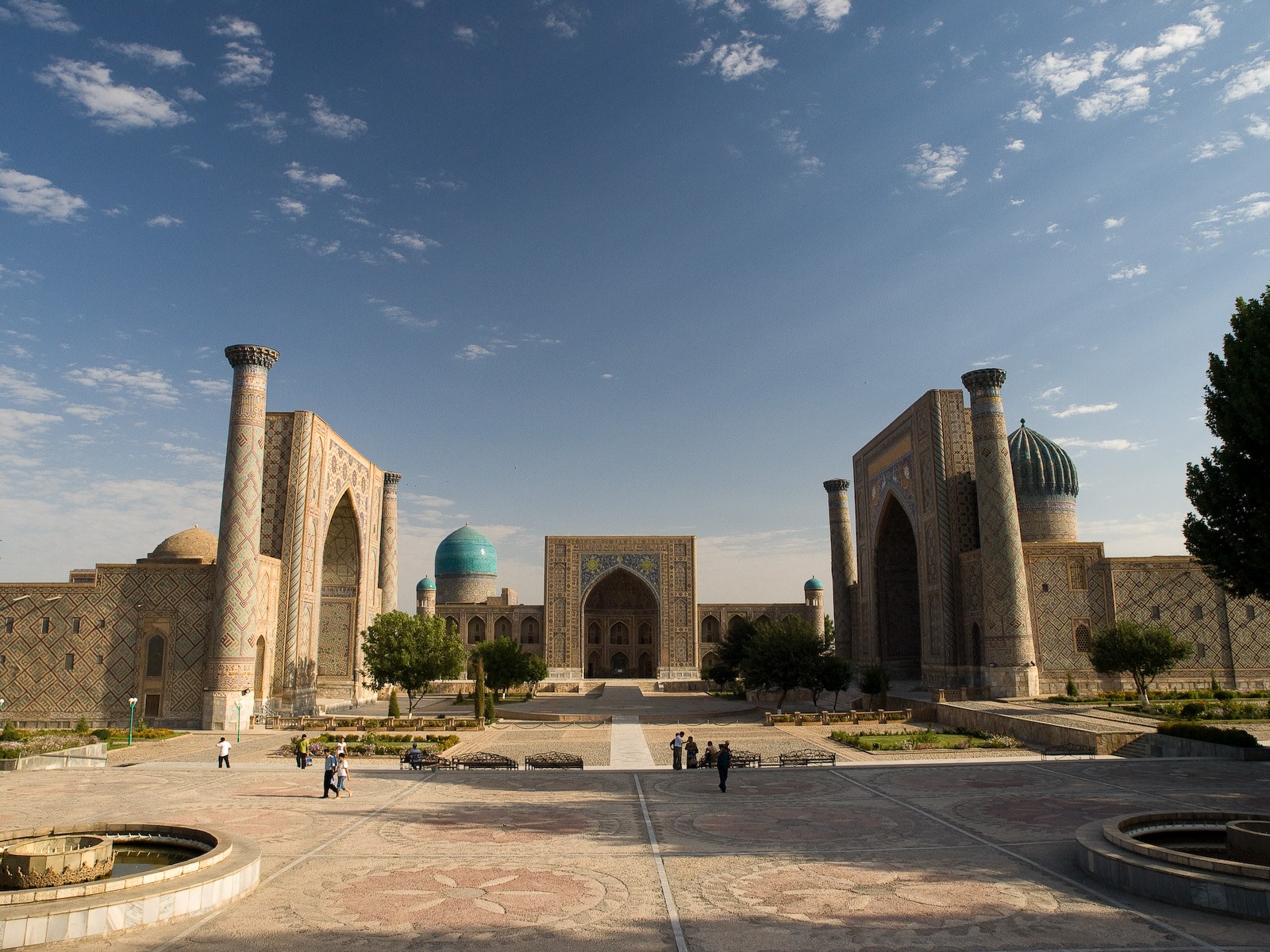
A short exchange between US Secretary of State Marco Rubio and reporters in Samarkand has revived debate in Uzbekistan over the status of the Russian and Uzbek languages. Rubio was in Samarkand in October 2026 for a C5+1 meeting as part of his Central Asia trip. The exchange took place at Registan Square.
What was said
Rubio asked his interlocutor whether he spoke Uzbek. When the journalist said he knew Russian rather than Uzbek, Rubio replied: 'That's no longer the official language here, but it's good. A lot of people speak it. I understand.' The short clip spread quickly on social media and reignited a long-running debate about the place of Russian in Uzbekistan.
The clip was taken out of context
Reporters from Kun.uz and Daryo, who were on the scene, reported that the viral clip had been taken out of context. The interlocutor was not a local journalist but a correspondent for Bloomberg, and he spoke with Rubio in English — so the initial framing that Rubio 'was asked a question in Russian' was inaccurate. (Sources describe the correspondent's command of Russian differently, so we do not state that detail as fact.)

Language status: the facts
Uzbek became the state language under a law adopted in 1989; Uzbek Language Day is marked every year on 21 October. Unlike in Kazakhstan, Russian has no official status in Uzbekistan, although it is widely used in everyday communication, business and the media. For that reason the status and real-world role of the language regularly spark public debate.
Why it matters
The episode shows two things at once: how sensitive the language question is in Uzbek society, and how short videos can be stripped of their original context and spread fast. That is why checking the original source before sharing a viral clip is an important part of media literacy.
