Child labor in Kyrgyzstan: poverty and gaps in enforcement
Dozens of children were found working at markets in the southern Kyrgyz city of Manas. A national survey found nearly one in five children aged 5–17 are in child labor.
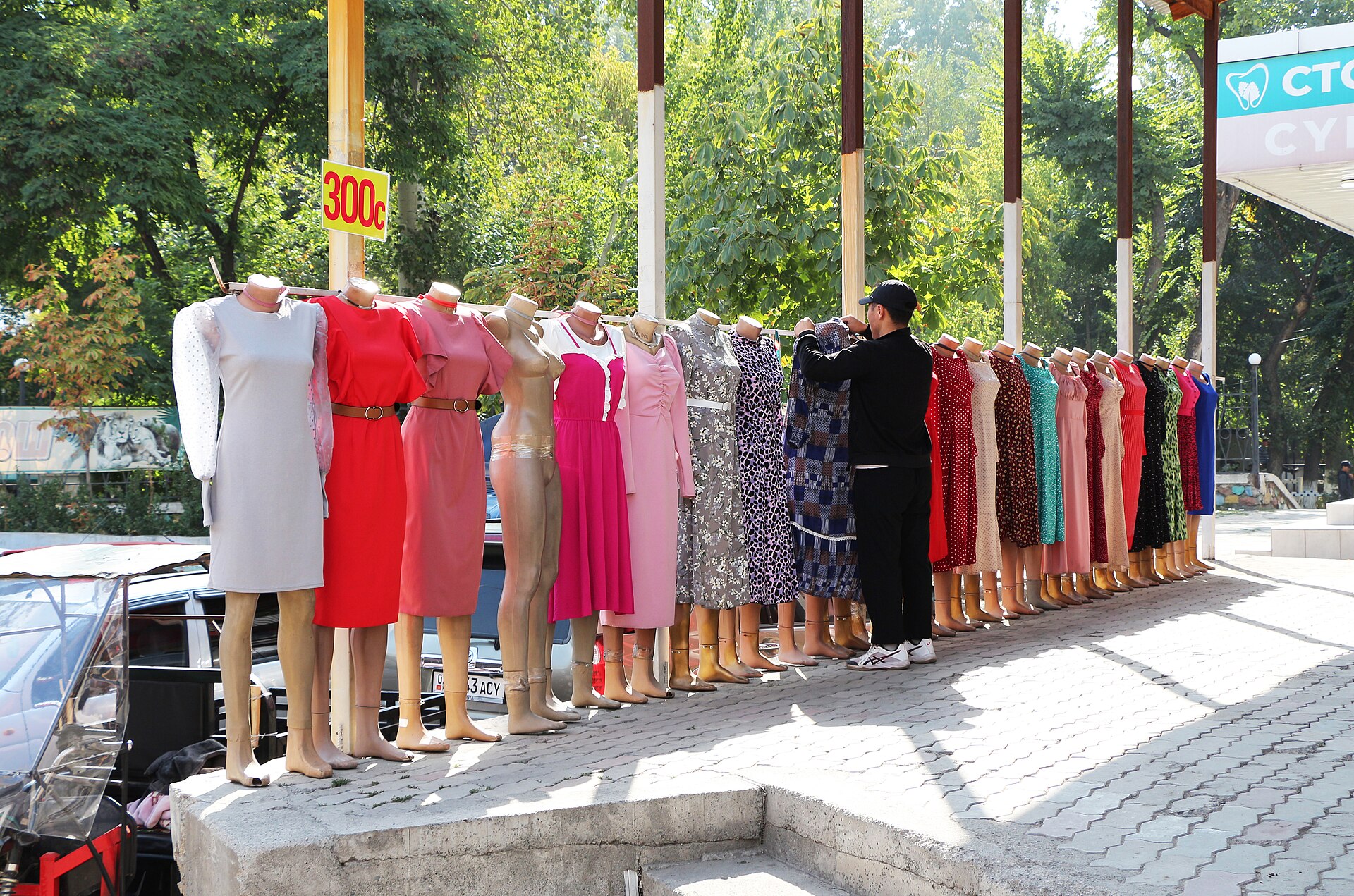
According to a November 4, 2026 report by Times of Central Asia, dozens of children were found working at markets in the southern Kyrgyz city of Manas — selling produce or carrying goods for traders. Police officers and social workers spoke to the children's parents and guardians and issued warnings; no official was named and no penalty was reported. (Manas is the former city of Jalal-Abad, officially renamed in 2025; the surrounding region is still called Jalal-Abad.) This specific incident was reported by TimesCA alone.
What the numbers show
According to a 2023 survey by Kyrgyzstan's National Statistical Committee with UNICEF support, 19.6% of children aged 5–17 are in child labor. The regional gap is wide: 24% in Jalal-Abad region, 31% in Naryn region, and 5% in Bishkek. Poverty is the main factor: child labor stands at 26% in the poorest households versus just 8% in the wealthiest. The rate is 23% among boys and 16% among girls; 15% of children work in hazardous conditions.
The enforcement gap
Kyrgyzstan's Labor Code sets the general minimum working age at 16 (Articles 6 and 18), and 18 for hazardous work. But per US Department of Labor analysis, these protections do not extend to children working without a contract — in family businesses, agriculture and market trade — a core legal gap. Enforcement is also weak: per TimesCA, there were only about 28 labor inspectors in 2025 for a workforce of roughly 2.9 million; the DOL-recommended number is 144. In 2025, 1,173 inspections found 1,885 labor-law violations, but how many involved child labor was not broken out.

Poverty and migration
The main driver of child labor is poverty: it is about three times more common in the poorest households than in the wealthiest. Labor migration compounds the problem: the US Department of Labor report notes that children whose parents have gone abroad for work have been found working in markets and are at higher risk of trafficking.
The official language
The US Department of Labor's 2023 report states: "Children whose parents have migrated abroad for work have been identified engaging in child labor in markets." The report names the sectors involved — agriculture (cotton, tobacco, herding) and services (portering in bazaars, shoe-shining, selling food). Kyrgyzstan is rated as having made "Minimal Advancement" by the US Department of Labor in eliminating the worst forms of child labor.
