Bank accounts and credit history in the USA: basics for newcomers
Opening a bank account, the difference between an SSN and an ITIN, FICO credit scores, and building credit from scratch — a facts-only guide for immigrants in the USA.
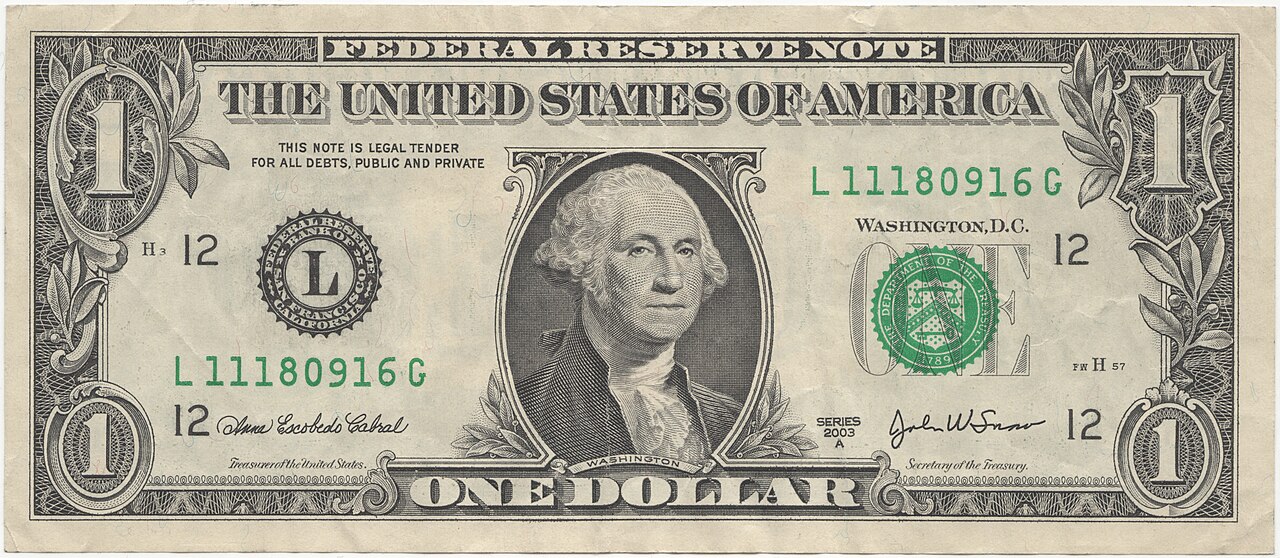
For immigrants starting a new life in the USA, opening a bank account and building a credit history are first steps toward financial stability. The following is based on official sources — the Consumer Financial Protection Bureau (CFPB), the Internal Revenue Service (IRS), the Federal Deposit Insurance Corporation (FDIC) and FICO. This is general information, not financial advice.
Opening a bank account
According to the CFPB, you generally need a taxpayer ID — an SSN (Social Security Number) or an ITIN — to open an account. As proof of identity many banks ask for a U.S. or state ID, but some banks and credit unions also accept a foreign passport or a consular ID. Policies vary from bank to bank — this is not a legal guarantee.
A checking account is for day-to-day payments and frequent withdrawals. A savings account is for setting money aside and usually earns interest. FDIC deposit insurance covers up to $250,000 per depositor, per insured bank, per ownership category; the coverage is automatic and needs no application.

SSN vs. ITIN
An ITIN (Individual Taxpayer Identification Number) is a 9-digit tax number issued by the IRS to people who need a taxpayer number for federal tax purposes but are not eligible for an SSN. It is requested using Form W-7. An ITIN does not authorize work, does not provide Social Security benefits and says nothing about immigration status — it is only for tax purposes.
You can build a credit history with an ITIN: card issuers can report to the credit bureaus without an SSN, and on-time payments then appear on your credit report. This is not automatic, though — approval depends on the individual issuer.
The FICO credit score
A FICO credit score ranges from 300 to 850. According to FICO, it is calculated from five factors: payment history — 35%, amounts owed (credit utilization) — 30%, length of credit history — 15%, credit mix — 10%, and new credit — 10%. The two most important factors are payment history and amounts owed.
Score tiers (FICO ranges per Experian): below 580 — poor; 580–669 — fair; 670–739 — good; 740–799 — very good; 800–850 — exceptional. In other words, a score above 670 is generally considered good.
Building credit from scratch
Those without a credit history can build one several ways. A secured credit card requires a cash deposit (for example $500) that usually becomes your credit limit; responsible use builds history. A credit-builder loan is repaid in small installments, with the funds released at the end. Another path is becoming an authorized user on someone else's account.
The strongest factor is always paying on time. Keeping your credit utilization low is advised: staying under 30% is a common rule, but that is a ceiling — people with the highest scores tend to stay under 10%, and you do not need to carry debt to have a good score.
Check your credit reports
There are three nationwide credit bureaus in the USA: Equifax, Experian and TransUnion. At AnnualCreditReport.com you can get a free credit report each week from each bureau — the only federally authorized site (weekly free access became permanent in October 2023). Beware of look-alike imposter sites.
A note
This article is general information only; banking and credit rules can change over time, and exact terms vary by bank and issuer. Official sources: CFPB, IRS, FDIC, FICO and the FTC.
