How the U.S. federal government works: the three branches and checks and balances
A neutral reference for Uzbeks living in the United States: why the Constitution splits power into three branches — legislative, executive and judicial — how they limit one another, and the difference between the federal and state governments. This is not political advice.
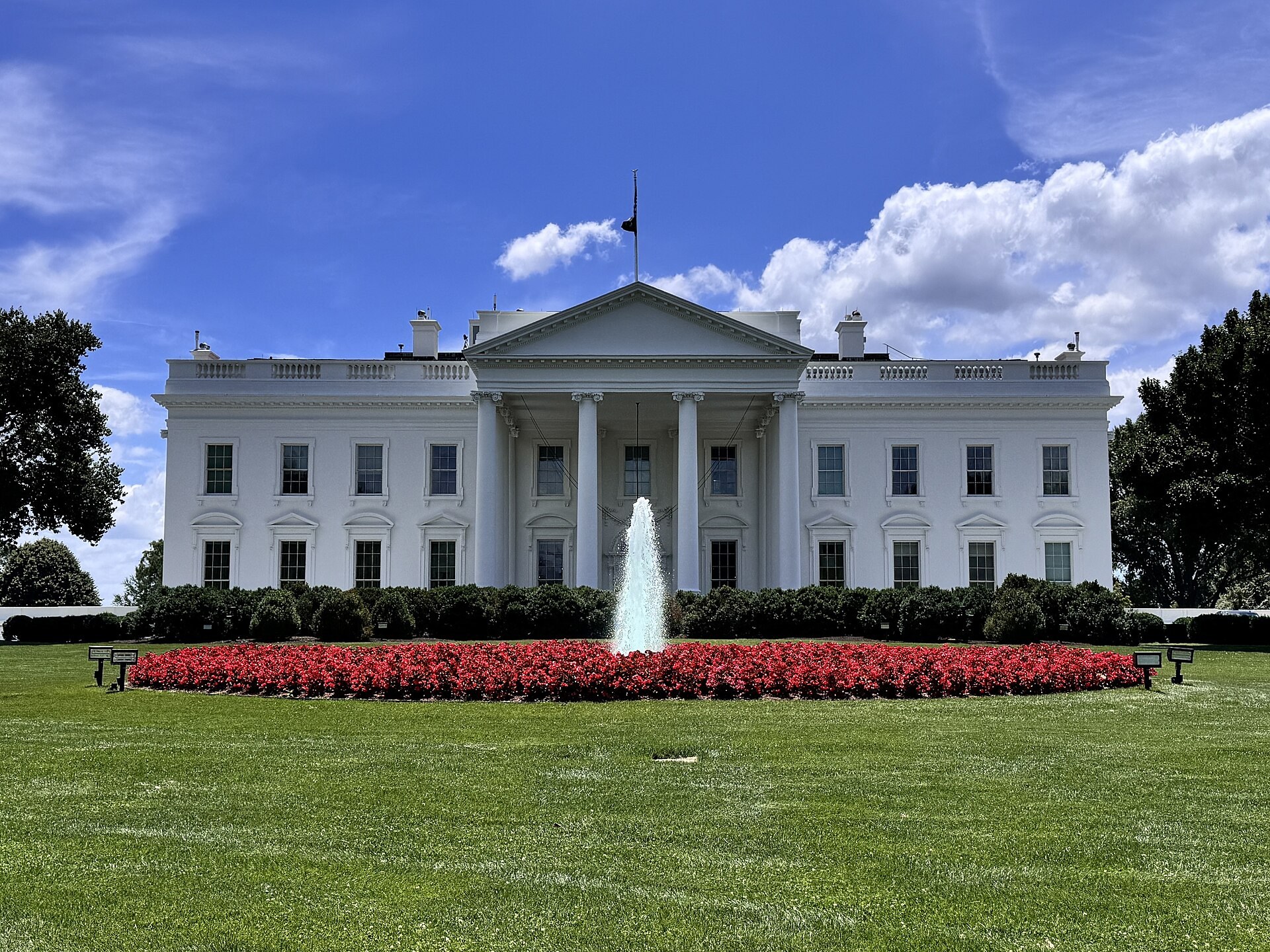
The U.S. federal government rests on the Constitution, signed on 17 September 1787 and in force from 1789. The Constitution deliberately divides power among three separate branches: the legislative (Congress), the executive (the President) and the judicial (the courts). The purpose of this separation is that no single person or body should gather too much power. (Source: U.S. National Archives — The Constitution; USA.gov — Branches of the U.S. government.)
1. The legislative branch: Congress
Laws are made by Congress, which has two chambers. The House of Representatives has 435 voting members, each elected for two years, with seats apportioned among the states by population; the Senate has 100 members, two per state, elected for six years. Congress writes the laws, controls the federal budget and taxes, and has the power to declare war. (Source: U.S. House of Representatives; U.S. Senate; USA.gov.)
2. The executive branch: the President
The executive branch is led by the President, elected for four years and limited to two terms under the 22nd Amendment. The President enforces the laws, is Commander-in-Chief of the armed forces, conducts foreign policy, and signs or vetoes bills passed by Congress. The Vice President, the Cabinet and the federal agencies assist. (Source: The White House — Our Government; USA.gov.)

3. The judicial branch: the Supreme Court and federal courts
The highest court is the U.S. Supreme Court, with nine justices. Justices are nominated by the President and confirmed by the Senate, and they serve for life (during good behavior). The courts interpret the laws and check whether they conform to the Constitution — this is called judicial review, which began with the 1803 case Marbury v. Madison. (Source: U.S. Courts — uscourts.gov; Supreme Court of the United States.)
Checks and balances
The three branches limit one another. The President nominates judges and senior officials, but the Senate must confirm them. If the President vetoes a bill, Congress can override the veto with a two-thirds vote in both chambers. The Supreme Court can find a law or executive action unconstitutional. And Congress can hold senior officials, including the President, to account through impeachment. (Source: USA.gov — Branches of the U.S. government.)
The federal government and the states
The U.S. is a federal state: there are 50 states, and power is divided between the federal center and the states. Under the 10th Amendment, powers not given to the federal government are reserved to the states. Each state has its own constitution, governor and legislature. In practice this means immigration, passports, currency and defense are mainly federal, while driver's licenses, schools, local police and real-estate matters are handled more at the state or city level. (Source: USA.gov; U.S. National Archives — 10th Amendment.)
The Bill of Rights and amendments
The first ten amendments to the Constitution, adopted in 1791, are called the Bill of Rights — they guarantee fundamental rights such as freedom of speech, religion and the press and the right to a fair trial. To date, 27 amendments have been made to the Constitution. Amending it is hard: it generally requires a two-thirds vote in Congress and the approval of three-quarters of the states. (Source: U.S. National Archives — The Bill of Rights.)
Elections
The President is elected once every four years — not directly, but through the Electoral College. The entire House of Representatives is re-elected every two years, and about one-third of the Senate every two years. For this reason elections are frequent in the U.S. and the composition of the federal government is renewed periodically. (Source: USA.gov — Elections and voting.)
Why this matters for the diaspora
Knowing which level of government handles which issue is practical: immigration and citizenship, for example, are with federal agencies (USCIS), while a driver's license or school is a state matter. Members of the diaspora who are U.S. citizens have the right to vote in elections. This article is general information, not political or legal advice; for a specific situation, consult official sources (USA.gov, USCIS) or a qualified lawyer.
