Labor Rights in the U.S.: Minimum Wage, Overtime, and Workplace Protections
In the U.S., federal law guarantees every worker — regardless of immigration status — a minimum wage, overtime pay above 40 hours, and a safe workplace. Here is how those rights work and where to turn if they are violated.
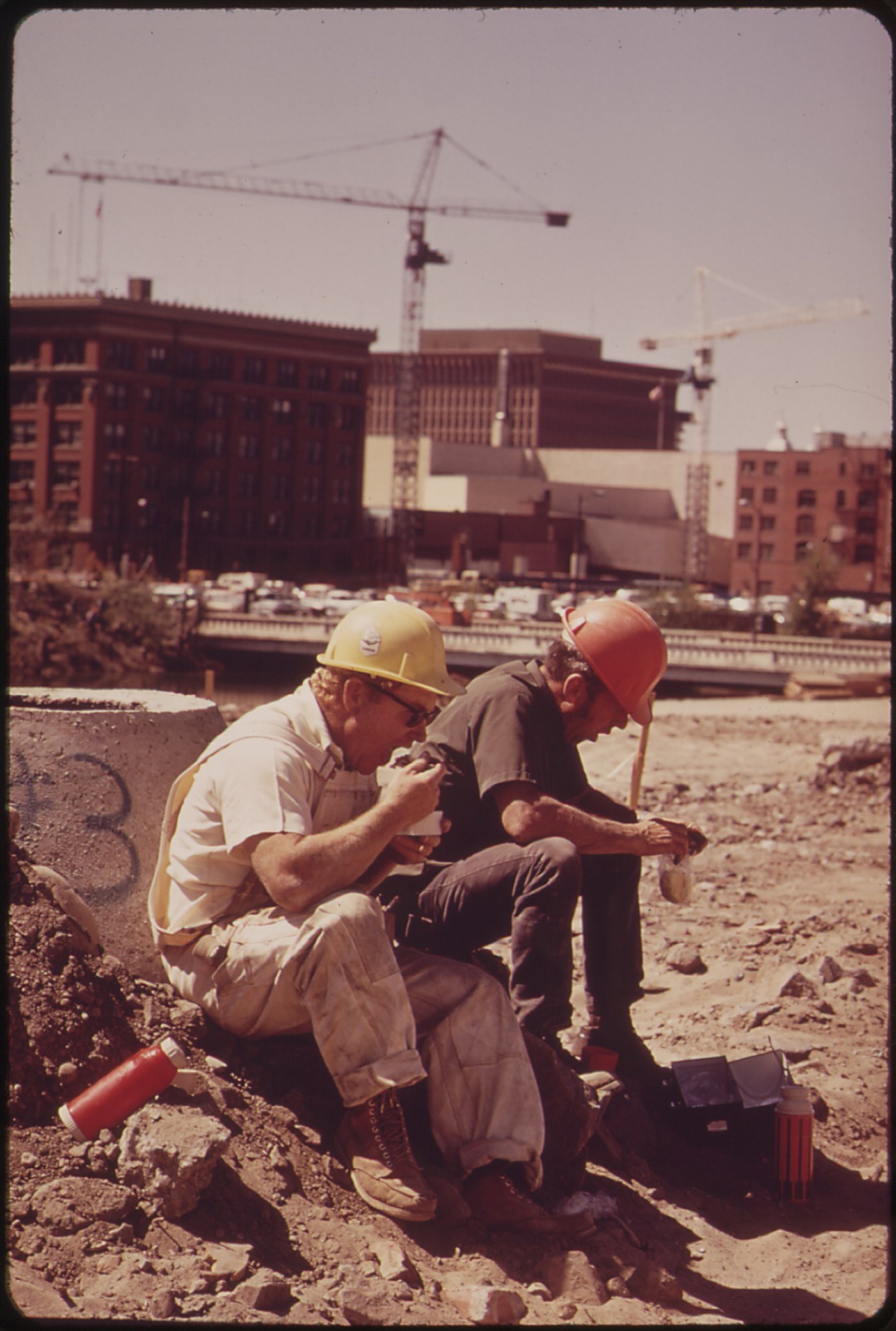
In the U.S., the basic rights on pay and hours are set by the Fair Labor Standards Act (FLSA), enacted in 1938. It establishes minimum wage, overtime pay, recordkeeping, and youth-employment standards, and applies to workers in the private sector and in government. The law is enforced by the Wage and Hour Division (WHD) of the Department of Labor (Source: U.S. Department of Labor — Wages and the FLSA; DOL — Worker Rights).
Minimum wage
The federal minimum wage has been $7.25 an hour since July 24, 2009. But many states and cities set a higher minimum, and the worker must be paid the highest rate that applies. For example, California's statewide minimum wage is $16.90 an hour from January 1, 2026, and in some cities it is $19 or more. For tipped employees an employer may pay a cash wage of at least $2.13 an hour, but cash wage plus tips must reach the federal $7.25 — otherwise the employer makes up the difference (Source: DOL — Minimum Wage; California DIR — Minimum Wage).
Overtime pay
Under the FLSA, covered 'nonexempt' employees must be paid at least one and one-half times (1.5x) their regular rate for every hour worked over 40 in a workweek. Some positions — such as certain salaried executive, administrative, or professional employees — are 'exempt' and may not be entitled to overtime. Exempt status is determined by actual job duties and salary level, not by a job title (Source: DOL — Wages and the FLSA; Congressional Research Service — FLSA Overview).

Protection regardless of immigration status
A key principle of federal labor law is that these protections apply to all workers. The Department of Labor enforces the law regardless of a worker's immigration status: minimum wage, overtime, recordkeeping, and protection from retaliation are guaranteed to every worker — documented or undocumented, citizen or non-citizen. An employer cannot use a worker's status to avoid paying minimum or overtime wages for work actually performed (Source: DOL — Worker Rights; DOL Wage and Hour Division).
Workplace safety (OSHA)
OSHA (the Occupational Safety and Health Administration), created under the 1970 Occupational Safety and Health Act, secures every worker's right to a safe workplace. A worker may file a complaint about unsafe conditions, request an inspection, and report hazards and injuries; it is illegal for an employer to punish or fire a worker for using these rights. OSHA protections also do not depend on immigration status (Source: OSHA — Workers' Rights; DOL).
Contract, records, and final pay
An employer must keep records of your hours and wages and provide a pay stub. Final pay rules — when your last paycheck is due after you leave a job — vary by state. Some states set rules on sick leave, breaks, or protection from wage theft that are stronger than the federal baseline. It is therefore useful to also check the rules of your state labor office (Source: DOL — State Labor Offices; DOL — Worker Rights).
Where to turn if your rights are violated
If minimum or overtime wages were not paid, you can file a complaint with the Department of Labor's Wage and Hour Division (WHD) — the complaint is kept confidential and immigration status is not asked. Workplace-safety complaints go to OSHA. In many states, local labor offices and free legal-aid centers also help workers. The law prohibits an employer from punishing a worker for filing a complaint. This information is general; for a specific situation, contact the relevant agency or an attorney (Source: DOL — How to File a Complaint; OSHA).
