California Proposition 40: a one-time 5% tax on billionaires goes to the voters
In the November 3 election, Californians voted on a one-time 5% wealth tax on residents worth over $1 billion. Backers project about $100bn over five years; some economists estimate about $30bn.
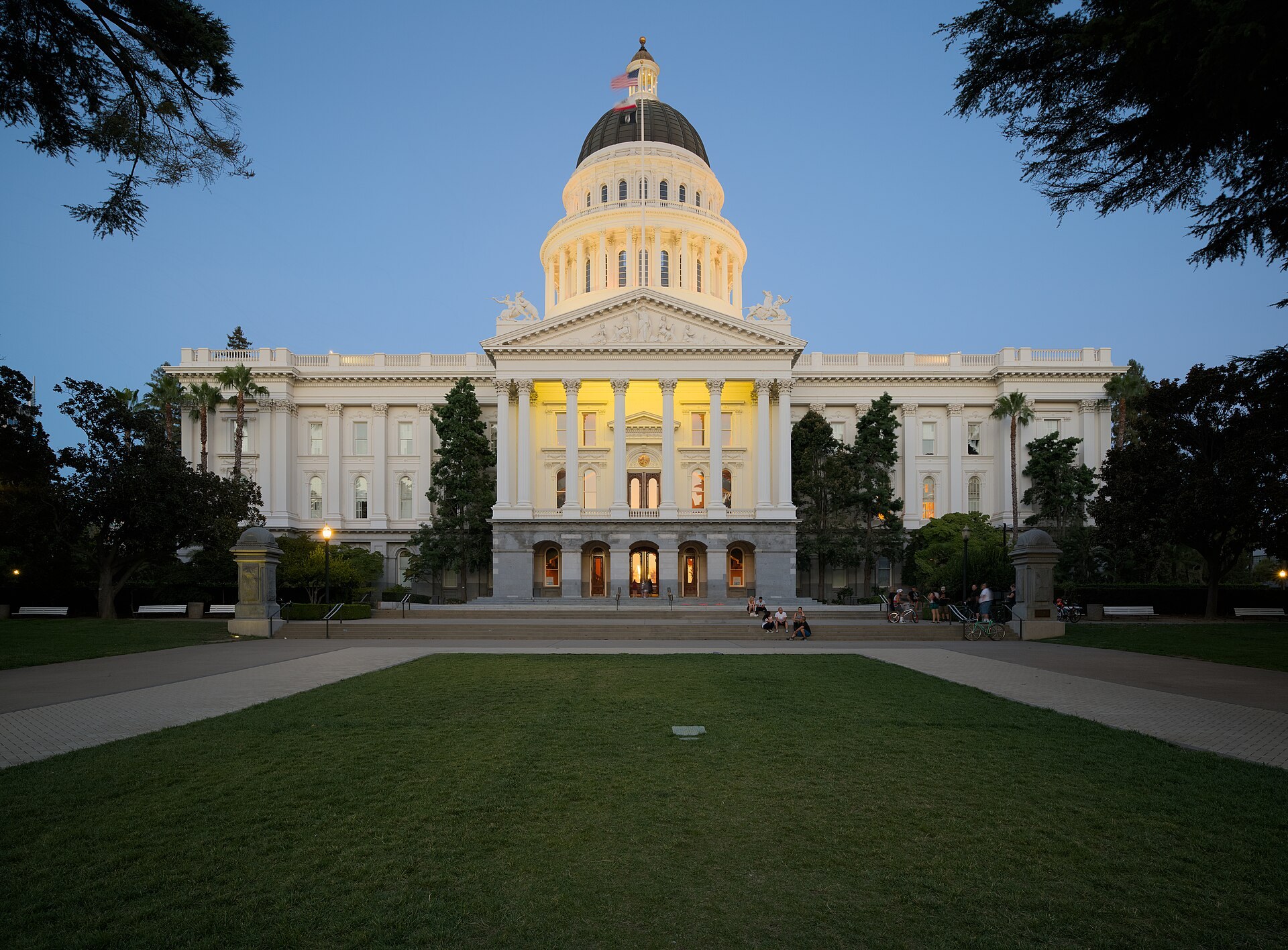
On November 3, 2026, California voters decided Proposition 40 — the “One-Time Wealth Tax for State-Funded Health Care Programs Initiative.” It is seen as one of the largest tax measures in the state's history.
Who pays, and how much
The measure enacts the “Billionaire Tax Act,” imposing a one-time 5% tax on the net worth of California residents worth more than $1 billion. The tax would apply to any billionaire residing in the state as of January 1, 2026, and is retroactive.
Where the money goes
SEIU-UHW (Service Employees International Union–United Healthcare Workers West), the healthcare-workers' union that put the measure on the ballot, estimates it could raise roughly $100bn over five years. The money would go primarily to healthcare, with some reserved for food assistance and education.

Economists disagree
Estimates differ sharply. Some economists argue that, after accounting for billionaire departures and anticipated legal challenges, the tax would bring in only around $30bn. An analysis published on November 2 noted that two economists reached wildly different conclusions.
How it reached the ballot
SEIU-UHW said it had gathered 1.6 million signatures, nearly double the roughly 874,641 required. On June 17, 2026, the California secretary of state announced the measure had qualified for the November ballot with 980,438 valid signatures.
