Pete Hegseth says a military execution will be livestreamed to the public
The US defense secretary said the execution of Nidal Malik Hasan, sentenced to death for the 2009 Fort Hood shooting, will be shown publicly; it is scheduled for December 3.
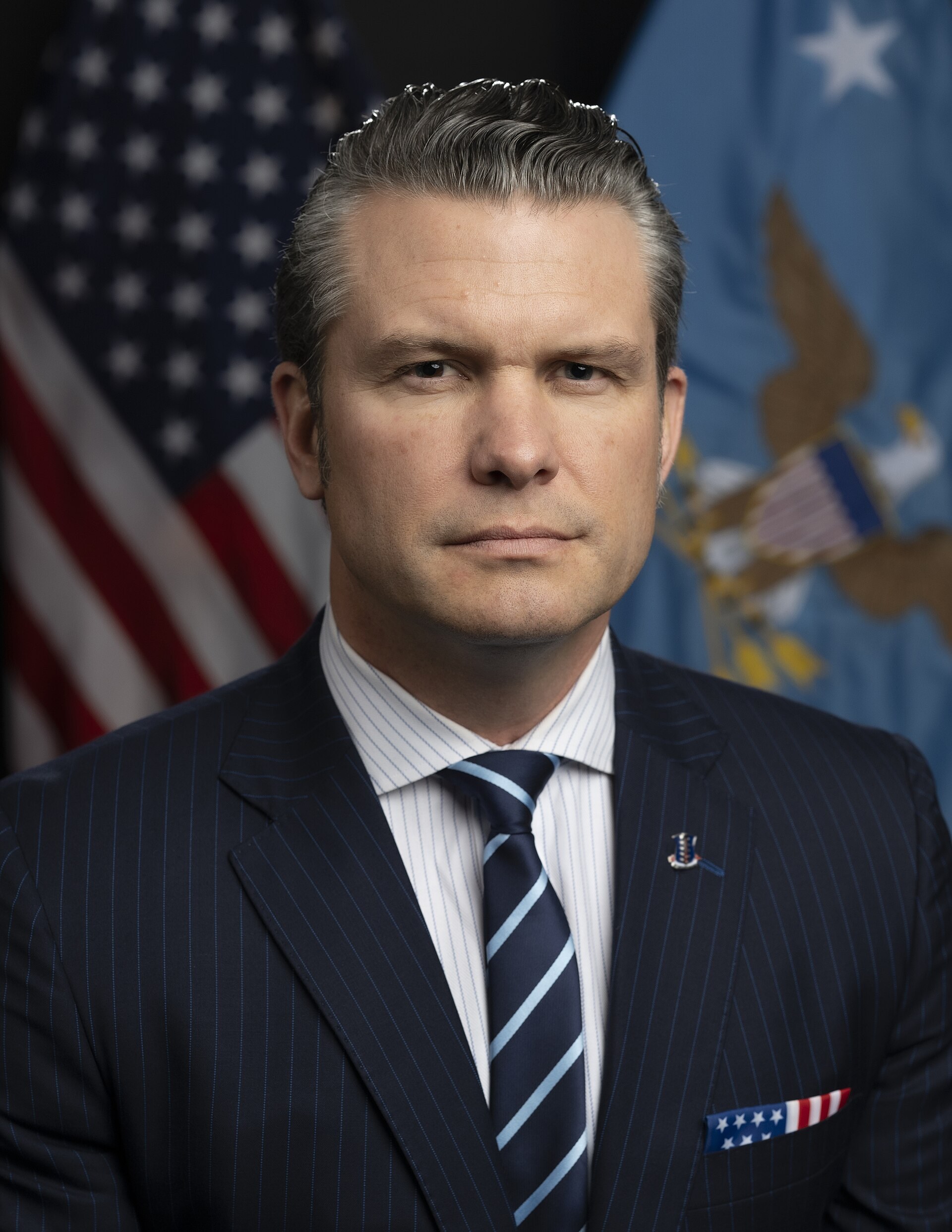
US Defense Secretary Pete Hegseth announced that the country's first military execution in decades will be carried out publicly and livestreamed. The decision has reignited debate over the death penalty and whether it is appropriate to show an execution to the public.
What happened
In an October 8 interview with Real America's Voice, Hegseth said the execution would be carried out by firing squad and held publicly so that people could watch it. The Department of Defense confirmed the execution would be livestreamed.
Who is the condemned
The condemned man is former Army major and military psychiatrist Nidal Malik Hasan. On November 5, 2009, he opened fire at the Fort Hood base in Texas, killing 13 people and wounding 32. In 2013 a military court convicted him of 13 counts of premeditated murder and 32 counts of attempted premeditated murder and sentenced him to death. He has since been held at the US Disciplinary Barracks at Fort Leavenworth, Kansas.

Date and decision
According to reports, the execution is scheduled for December 3 and was approved by President Donald Trump. It will be carried out by firing squad. The last execution under a US court-martial was in 1961, when Army Private John Bennett was hanged; the last military firing-squad execution dates to 1945. The last public execution in the United States took place on August 14, 1936, in Owensboro, Kentucky.
International comparison
Public executions carried out before a crowd survive in only a handful of countries today. According to Amnesty International, Iran and Afghanistan are the states that routinely carry out capital punishment in public; Saudi Arabia, which previously held public executions, has stopped the practice in recent years.
Debate
Supporters argue a public execution demonstrates accountability for a grave crime; critics say livestreaming it foregrounds spectacle rather than justice. The case remains tied to legal proceedings, and appeals could alter the scheduled date.
