The Uzbek diaspora in Afghanistan: how it formed
Afghanistan is home to the world's largest Uzbek community after Uzbekistan itself: an estimated 3.7–6.1 million Uzbeks live in the north. How this community formed — a Turkic population over centuries, the fall of Bukhara in 1920, the migration of the Basmachi and collectivization eras, and the situation today. A facts-based, sourced history.
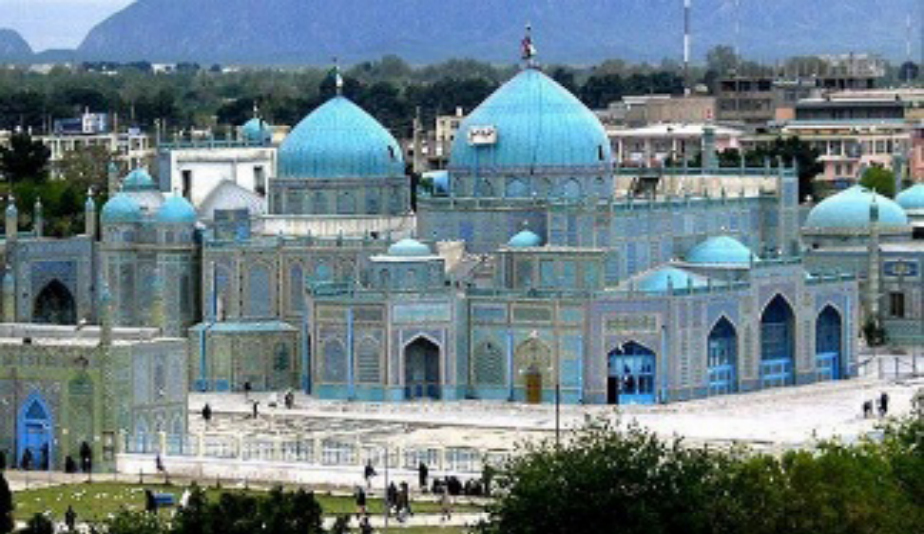
After Uzbekistan itself, Afghanistan is the country with the most Uzbeks in the world. By various estimates, Uzbeks make up about 9% of the country's population; between 3.7 and 6.1 million ethnic Uzbeks live in northern Afghanistan. This community formed over centuries — from both a native Turkic population and later waves of migration. Below its historical roots and stages are set out on the basis of reputable sources, with facts.
Historical roots: Afghan Turkestan
Uzbeks have lived for centuries in the lands south of the Amu Darya — today's northern Afghanistan. In history this region was also called "Afghan Turkestan" and was closely tied to the Turkic world of Central Asia. Cities such as Balkh and Mazar-i-Sharif were long cultural centers where Turkic and Persian-Tajik peoples lived side by side. In other words, part of Afghanistan's Uzbeks did not "migrate" from anywhere — they are historically the native population of that land.
1920: the fall of Bukhara and the Emir's flight
A major wave of migration began in 1920. Between 28 August and 2 September 1920 the Red Army overthrew the Emirate of Bukhara, replacing it with the Soviet-controlled Bukharan People's Soviet Republic. The last Emir of Bukhara, Sayyid Mir Muhammad Alim Khan, fled first toward Eastern Bukhara (Dushanbe) and then into Afghanistan, to Kabul. He lived there in exile for the rest of his life and died in Kabul on 28 April 1944.

The Basmachi movement and northern Afghanistan
From exile the Emir supported the resistance in Bukhara — the Basmachi movement. Forces led by commanders such as Ibrahim Bek and Korshirmat used northern Afghanistan as a base. It took the Red Army until 1934 to fully suppress the revolt. After the defeat, fighters, their families and ordinary farmers — fleeing Soviet power — crossed south of the Amu Darya in large numbers and settled in Afghanistan.
The collectivization era (1920s–30s)
The Soviet collectivization (forced merger into collective farms), dekulakization and anti-religious policies of the late 1920s and the 1930s triggered a new wave of migration. Thousands of families unwilling to lose their land, livestock and independence crossed the Amu Darya into Afghanistan. In this way, over the 1920s–30s the Uzbek population of northern Afghanistan grew considerably.
Where they live: the northern provinces
Afghan Uzbeks are concentrated mainly in the country's northern provinces — Balkh, Jowzjan, Faryab, Samangan, Sar-e Pol and Kunduz. The region's largest city, Mazar-i-Sharif (the capital of Balkh province), is a main center where Uzbek, Tajik and Turkmen communities live together. These areas are known for farming, herding and carpet-weaving.
Language and culture
Afghan Uzbeks have preserved the Uzbek language (in a dialect close to Central Asian Uzbek). Under Afghanistan's 2004 Constitution, Uzbek was recognized as a third official language in the areas where its speakers are a majority. The community has carefully kept its traditions, music and crafts.
Abdul Rashid Dostum
The best-known political and military figure of the Afghan Uzbeks is Abdul Rashid Dostum. He was born in 1954 in Jowzjan province into an ordinary Uzbek peasant family; he later became a major military commander, leader of the National Islamic Movement (Junbish) and a vice-president of Afghanistan. After the Taliban retook power in 2021, he went into exile in Turkey, where he lives.
The situation today
Today the Uzbek community in Afghanistan remains one of the country's largest ethnic groups. They are tied to neighboring Uzbekistan by history, language and culture; Uzbekistan has sought to develop links with Afghanistan in trade, energy and transport (including the Termez–Mazar-i-Sharif railway). Afghanistan's internal instability has had a serious effect on the community's situation.
A note
There is no official, recent census of the number of Uzbeks in Afghanistan; the figures given (about 9% of the population; 3.7–6.1 million) are estimates from various studies and international sources and may differ. Sources: Wikipedia (Ethnicity in Afghanistan; Abdul Rashid Dostum; Basmachi movement; Sayyid Mir Muhammad Alim Khan), Britannica (Mazar-e Sharif), and a report of the Immigration and Refugee Board of Canada (IRB).

Sources
- Wikipedia — Ethnicity in Afghanistan (o‘zbeklar ~9%, shimoliy viloyatlar)
- Wikipedia — Sayyid Mir Muhammad Alim Khan (Buxoro amiri, 1920-yil Kobulga qochish, 1944-yil vafoti)
- Wikipedia — Basmachi movement (shimoliy Afg‘oniston tayanchi, 1920–1934)
- Wikipedia — Abdul Rashid Dostum (1954, Jovuzjon; Junbish; 2021-dan Turkiyada surgun)
- Britannica — Mazar-e Sharif (aholi: o‘zbek, tojik, turkman)
- Immigration and Refugee Board of Canada — Afghanistan: the Uzbek minority (2016–June 2018)