The Uzbek diaspora in China (East Turkestan): how it formed
The Uzbeks of China are a small but ancient community that has lived for centuries in Xinjiang (East Turkestan). Most descend from merchants who came along the Silk Road from Bukhara, Kokand, Andijan and Samarkand. The community began settling in Xinjiang's cities from the 16th century and grew further after the 18th century. Today they are one of China's 56 officially recognized ethnic groups: the 2020 census counted 12,742. Based only on verified facts.
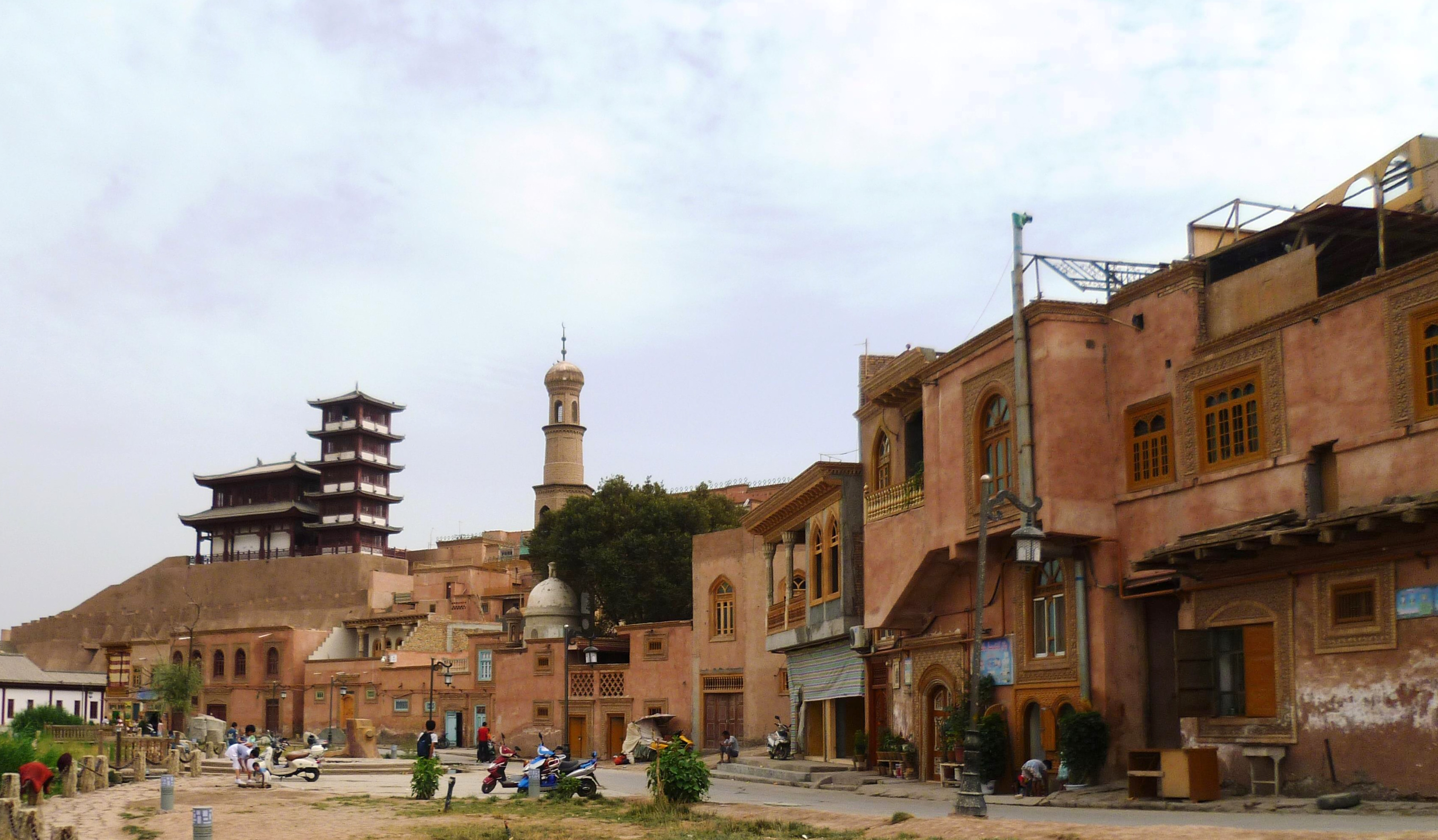
The Uzbeks of China are one of the oldest but smallest Uzbek communities outside Central Asia. Their history is tied above all to the Silk Road trade: merchants from the Central Asian cities of Bukhara, Kokand, Andijan, Samarkand and the Fergana Valley settled in the cities of today's Xinjiang Uyghur Autonomous Region (historic East Turkestan). Below, the community's formation is set out on a facts-only basis, drawing on verified history and official census data.
Origins: Silk Road merchants
Most Uzbeks in China descend from merchants who travelled the Silk Road. Traders from Central Asian cities such as Bukhara, Kokand, Andijan and Samarkand conducted business in Kashgar, Ghulja (Yining) and other towns. In that era, Central Asian merchants in East Turkestan were often known collectively as 'Andijanis'.
When they settled
According to historical records, Uzbeks began settling in Xinjiang's cities from the 16th century. After the 18th century, with regional political change and the revival of trade routes, their numbers grew further. Because most engaged in urban trade and crafts rather than farming or herding, the community was concentrated in the cities.

Where they live
China's Uzbeks live mainly in the Xinjiang Uyghur Autonomous Region. The largest communities are in Ghulja (Yining) and the Ili Valley, as well as in Kashgar, Yarkant (Shache), Urumqi and Tacheng (Tarbagatai). The Danangou Uzbek Ethnic Township in Changji Hui Autonomous Prefecture is the only administrative unit in China officially designated for Uzbeks.
Numbers: the censuses
China's censuses show a small and stable community: about 13,626 people in 1953, 7,717 in 1964, and 13,810 in 1982. According to the 2020 national census, China's Uzbeks number 12,742 — less than 0.001% of China's total population.
An officially recognized ethnic group
The Uzbeks are one of the 56 ethnic groups officially recognized by the People's Republic of China. This status lets the community preserve its language and customs, maintain a national administrative unit (such as Danangou township), and be counted separately in official statistics.
Language and religion
China's Uzbeks speak Uzbek, a Turkic language. At the same time, those in southern Xinjiang often also speak Uyghur because of proximity to Uyghur communities, while those in the northern, pastoral areas also speak Kazakh. Their religion is Sunni Islam (Hanafi), which ties them religiously to the Uzbeks of Central Asia.
A trading heritage
The community's historical identity is defined by commerce: Uzbeks ran trading houses and caravanserais in the cities of East Turkestan and served as intermediaries in the trade between Central Asia and China. For that reason China's Uzbeks have remained largely an urban population, and their culture is close to Central Asia's urban trading traditions.
