Uzbekistan's first Oliy Majlis elections (1994) and the formation of the parliamentary system
On 25 December 1994, elections were held to the first Oliy Majlis of independent Uzbekistan (with a second round in January 1995). Established under the 1992 Constitution, this chamber was unicameral with 250 deputies and succeeded the Soviet-era Supreme Council. Below, the election, its structure and the international assessment are set out on verified facts only.
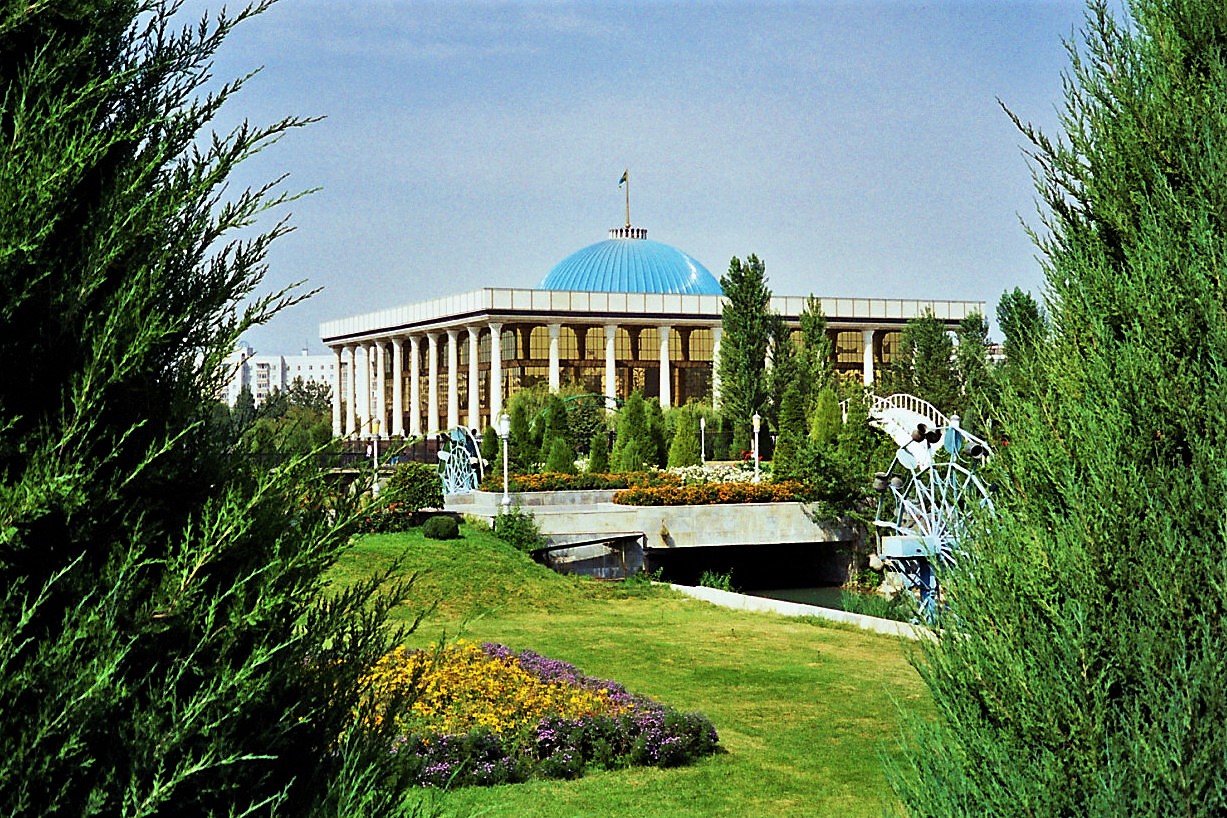
One of the key stages of post-independence state-building was the formation of the national parliament. On 25 December 1994, elections were held to the first Oliy Majlis of independent Uzbekistan. Below, the background, the dates, the structure of the chamber, the parties and candidates that took part, the results and the international assessment are set out strictly on verified sources.
Background: from the Supreme Council to the Oliy Majlis
Until 1994 the legislature was the Supreme Council — the renamed body inherited from the Soviet-era Supreme Soviet of the Uzbek SSR. It was this Supreme Council that functioned in the first years of independence. The new, constitutionally based parliament — the Oliy Majlis — formally succeeded the Supreme Council in 1995.
Constitutional basis (1992)
The first Constitution of independent Uzbekistan was adopted on 8 December 1992 by the Supreme Council. It was this Constitution that established the Oliy Majlis (Supreme Assembly) as the supreme legislative body and set out its legal basis.

Dates of the first election
The first round of the first Oliy Majlis election took place on 25 December 1994. Run-off voting (the second round) was held on 8 January 1995 (in 39 constituencies) and on 22 January 1995 (in 7 constituencies).
Structure of the chamber: 250 seats
The first Oliy Majlis was unicameral, with 250 deputy seats. The parliament remained unicameral until the move to a bicameral structure (a Legislative Chamber and a Senate), approved in the referendum of 27 January 2002; the bicameral Oliy Majlis first convened in 2005.
Parties, candidates and results
634 candidates contested the 250 seats: 250 were nominated by local councils, 243 as members of the People's Democratic Party of Uzbekistan (PDPU — successor to the Communist Party), and 141 as members of the Progress of the Fatherland party. Only the governing PDPU and the pro-government Progress of the Fatherland were allowed to take part; opposition parties (Birlik, Erk) were unregistered/barred. The distribution of seats was: local-council nominees — 167, PDPU — 69, Progress of the Fatherland — 14. Because about 120 of the local-council deputies were also PDPU members, the party held an effective majority. Turnout in the first round was recorded at 94.17%.
International assessment
According to the documented record, only two registered, pro-government parties took part; genuine opposition was excluded from the process. International observer teams monitored the voting and expressed varying opinions on the procedures used. The OSCE/ODIHR did not conduct a full election observation mission; accordingly, the vote is not regarded by international observers as a free, competitive, multiparty election. This is stated here only as a documented fact, without comment.
Significance
The 1994–1995 election formed the first parliament of independent Uzbekistan and was part of the post-1991 process of state-building — replacing Soviet structures with the new, constitutionally defined institutions.

Sources
- Wikipedia — 1994–95 Uzbek parliamentary election (dates, 250 seats, 634 candidates, results, 94.17% turnout)
- Wikipedia — Oliy Majlis (unicameral origin; bicameral reform 2002, convened 2005)
- Wikipedia / Constitute Project — Constitution of Uzbekistan (adopted 8 December 1992)
- IPU PARLINE archive — Uzbekistan Oliy Majlis elections 1994–1995