Uzbekistan joins NATO's "Partnership for Peace" (1994) and its early foreign policy
On 13 July 1994 Uzbekistan signed NATO's Partnership for Peace Framework Document. This history reference explains what the programme is, Uzbekistan's multi-vector foreign policy in its early years, and the later cooperation milestones, with precise dates drawn from sources.
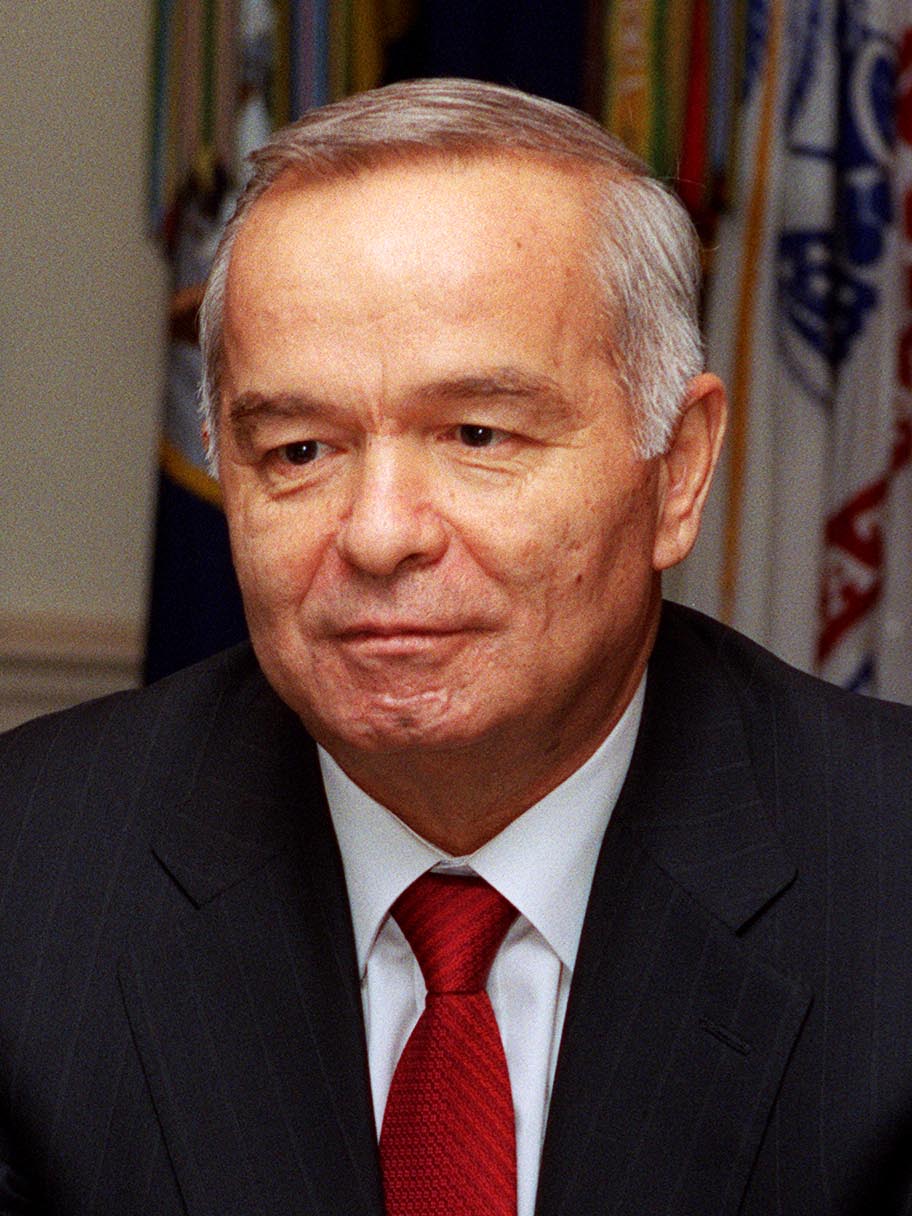
NATO announced the Partnership for Peace (PfP) programme in January 1994 — at the Brussels Summit (10–11 January) — and the Framework Document was issued on 10 January 1994. Uzbekistan signed that document on 13 July 1994. According to NATO's official list of signatures, it was signed on Uzbekistan's behalf by Foreign Minister Saidmukhtar Saidkasimov. Of its Central Asian neighbours, Turkmenistan (10 May), Kazakhstan (27 May) and Kyrgyzstan (1 June) had signed earlier; Uzbekistan was the fourth. (Source: NATO — Signatures of the Partnership for Peace Framework Document; CVCE — Framework Document, 10 Jan 1994.)
What is "Partnership for Peace"?
PfP is a programme of practical bilateral cooperation between NATO and individual partner countries; it is not membership and not a mutual-defence guarantee. The programme focuses on defence reform, interoperability of forces and joint exercises (peacekeeping, search-and-rescue, humanitarian). Each partner country sets its own level of involvement through an Individual Partnership Programme. (Source: NATO; CVCE — Framework Document.)
Uzbekistan's foreign policy in its early years
Uzbekistan declared independence on 31 August 1991; Islam Karimov was elected president on 29 December 1991. The country joined the UN on 2 March 1992, established diplomatic relations with the US that year (19 February), and the US Embassy in Tashkent opened on 16 March. Uzbekistan became a participating State of the OSCE (then the CSCE) and, after independence, a member of the CIS. In its early years Uzbekistan's foreign policy was built on balancing Russia, the West, Turkey and its neighbours — under the banners of "independence" (mustaqillik) and self-reliance. (Source: NATO; Wikipedia — US–Uzbekistan relations; Chatham House — Fazendeiro.)

Later cooperation milestones
In the mid-1990s cooperation took new forms. The presidents of Kazakhstan, Kyrgyzstan and Uzbekistan decided on 15 December 1995 to form the Central Asian Peacekeeping Battalion (CENTRASBAT); the battalion was established in 1995–1996 and held joint exercises with the US/NATO in 1997 and 1998. On 29 May 1997 NATO created the Euro-Atlantic Partnership Council (EAPC), of which Uzbekistan became a member. (Source: NTI — EAPC; Silk Road Studies — CENTRASBAT.)
The doctrine of defensive self-reliance
Uzbekistan's foreign-policy doctrine stressed sovereignty and military neutrality. In August 2012 the Oliy Majlis adopted a new "Concept of Foreign Policy Activity": under it, no foreign military bases are allowed on its territory, the country joins no military blocs, and it sends no troops abroad. For that reason Uzbekistan's relationship with NATO has always stayed within the framework of partnership and never turned into membership. (Source: CACI Analyst — Uzbekistan's New Foreign Policy Concept, 2012; Eurasianet.)
Conclusion
Signing the Partnership for Peace document on 13 July 1994 was one of independent Uzbekistan's first formal steps toward practical military-political cooperation with the West. But because it was a partnership in which each side sets its own level, rather than membership, Uzbekistan kept it within the framework of its multi-vector foreign policy anchored in military neutrality.

Sources
- NATO — Signatures of the Partnership for Peace Framework Document
- CVCE — Framework Document issued by NATO on the Partnership for Peace (Brussels, 10 January 1994)
- NTI — Euro-Atlantic Partnership Council (EAPC)
- Wikipedia — United States–Uzbekistan relations
- CACI Analyst — Uzbekistan's New Foreign Policy Concept: No Base, No Blocs
- Chatham House (A. Fazendeiro) — Uzbekistan's defensive self-reliance: Karimov's foreign policy legacy