The establishment of diplomatic relations between Uzbekistan and China (1991–1996)
In its first years of independence, Uzbekistan and the People's Republic of China established formal relations: China's recognition of Uzbekistan's independence, the exact date of diplomatic relations, the embassies, Islam Karimov's first visit, and the founding documents, set out on the basis of sources.
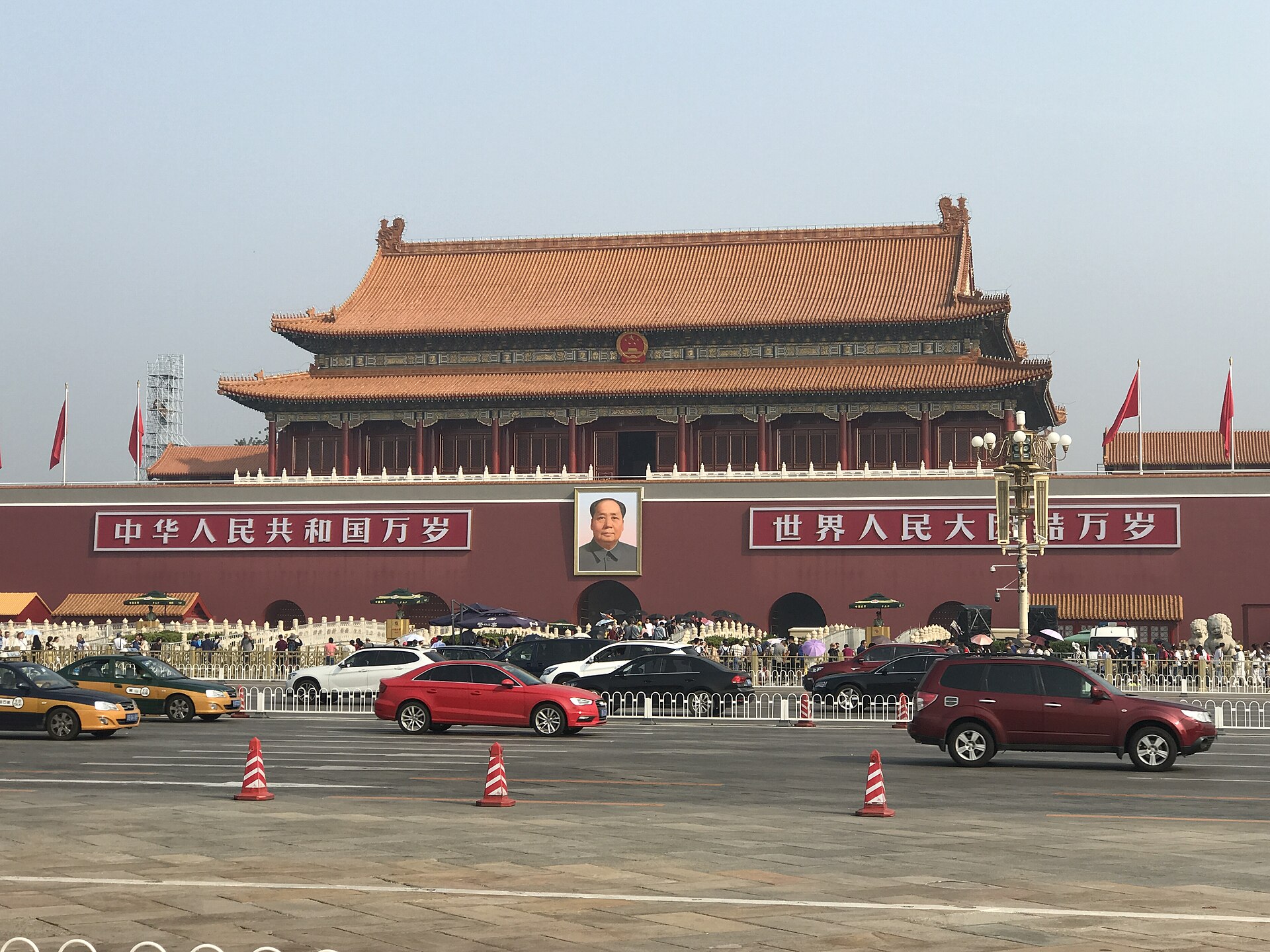
On 31 August 1991 Uzbekistan declared its state independence, and at the end of December that year the USSR was formally dissolved. These events were followed by a wave of international recognition of the newly independent state. In the first months of independence Uzbekistan established diplomatic relations with major world powers; among them was the People's Republic of China (PRC), which is counted among the first states to recognize our country. Below, the establishment of diplomatic relations between Uzbekistan and China in 1991–1996 is set out on the basis of exact dates and sources.
Recognition (27 December 1991) and diplomatic relations (2 January 1992)
The People's Republic of China recognized Uzbekistan's independence on 27 December 1991, and formal diplomatic relations between the two states were established on 2 January 1992. (Source: Wikipedia — China–Uzbekistan relations; Beijing Review, 2017.) At that time China established diplomatic relations in quick succession with all five Central Asian states — Kazakhstan, Kyrgyzstan, Tajikistan, Turkmenistan and Uzbekistan — in early January 1992. China thus stands among the states that recognized Uzbekistan early and were among the first to establish formal ties with it (Source: Beijing Review, 2017).
The opening of the embassies
Once diplomatic relations were established, the two states set about opening embassies. China's embassy in Tashkent began operating in 1992; Guan Hengguang served as China's first ambassador to Uzbekistan from February 1992 to January 1997. (Source: Wikipedia — List of ambassadors of China to Uzbekistan.) Uzbekistan's embassy in Beijing opened later, in May 1995; Shavkat Alimov served from December 1995 as Uzbekistan's first ambassador to China (Source: Wikipedia — List of ambassadors of Uzbekistan to China).

Islam Karimov's first visit (March 1992)
Not long after diplomatic relations were established, in March 1992 the President of Uzbekistan, Islam Karimov, paid a state visit to China, which marked the formal beginning of friendship and cooperation between the two countries. (Source: Beijing Review, 2017.) During the visit a number of foundational documents on economic, trade and technical cooperation were signed; in 1992, in particular, the two sides concluded a trade-and-economic agreement granting each other Most Favored Nation (MFN) status (Source: Vivekananda International Foundation, 2017).
The joint communiqué and the core principles
In the early stage (1992–2000) several joint documents were adopted between the two states: the joint communiqué on establishing diplomatic relations (January 1992), a second joint communiqué (March 1992), and a joint statement on promoting friendship and cooperation (2000). (Source: Beijing Review, 2017.) In these documents Uzbekistan declared its adherence to the "one-China" principle — recognizing the government of the People's Republic of China as the sole legal government of the whole of China; the sides affirmed the principles of mutual respect for sovereignty and non-interference in internal affairs (Source: Wikipedia — China–Uzbekistan relations).
Early trade and economic cooperation
In the 1990s trade between the two states was still small. In 1992 the trade turnover amounted to only $47.52 million. (Source: Beijing Review, 2017.) Between 1992 and 2002 the annual bilateral trade turnover generally did not exceed $140 million (Source: Vivekananda International Foundation, 2017; Caspian Policy Center). At the same time, during Chinese Premier Li Peng's visit to Uzbekistan in 1994, Uzbekistan put forward the idea of building a direct railway to China through Kyrgyzstan; the idea of this project was discussed for decades afterward (Source: Caspian Policy Center).
Strategic backdrop: the "Shanghai Five" (1996)
On 26 April 1996 in Shanghai the heads of state of China, Russia, Kazakhstan, Kyrgyzstan and Tajikistan signed the Treaty on Deepening Military Trust in Border Regions, launching the "Shanghai Five" process. (Source: Wikipedia — Shanghai Cooperation Organisation.) An important note: Uzbekistan was NOT a founding member of the "Shanghai Five"; the country joined this grouping only in 2001, and that same year (15 June 2001) the group was transformed into the Shanghai Cooperation Organisation (SCO) (Source: Wikipedia — Shanghai Cooperation Organisation; Türkiye Ministry of Foreign Affairs).
Significance and a short closing for the diaspora
This stage of 1991–1996 shaped one of the important pillars of the newly independent Uzbekistan's multi-vector foreign policy. The establishment of relations with China, the opening of the embassies, the first state visit and the signing of foundational documents strengthened the country's sovereignty on the world stage and its independent external ties. For the diaspora and compatriots, this history shows how, in the years of independence, Uzbekistan built relations with a large neighboring state on the basis of equality and mutual respect for sovereignty. In the following decades, broader economic and strategic cooperation developed on this foundation (Source: Beijing Review, 2017; Caspian Policy Center).

Sources
- Wikipedia — China–Uzbekistan relations (recognition 27 Dec 1991; relations established 2 Jan 1992; one-China principle)
- Beijing Review — Old Friends, New Links (2017): relations 2 Jan 1992; Karimov visit March 1992; 1992 trade $47.52m; joint communiqués
- Wikipedia — List of ambassadors of China to Uzbekistan (Guan Hengguang, first ambassador, Feb 1992 – Jan 1997)
- Wikipedia — List of ambassadors of Uzbekistan to China (Uzbek embassy in Beijing opened May 1995; Shavkat Alimov from Dec 1995)
- Vivekananda International Foundation — 25 Years of Uzbekistan-China Relations (2017): MFN agreement 1992; trade 1992–2002 under $140m
- Caspian Policy Center — China-Uzbekistan bilateral relations (1994 Li Peng visit; railway idea; early trade)
- Wikipedia — Shanghai Cooperation Organisation (Shanghai Five founded 26 Apr 1996, members Russia/China/Kazakhstan/Kyrgyzstan/Tajikistan; Uzbekistan joined 2001, SCO 15 Jun 2001)