Uzbekistan and the European Union: The Partnership and Cooperation Agreement (1996) and the First Years
In the early years of independence Uzbekistan laid the foundations of formal ties with Europe. From the 1992 memorandum to the Partnership and Cooperation Agreement signed in Florence in 1996 — the dates and facts of the first European diplomacy.
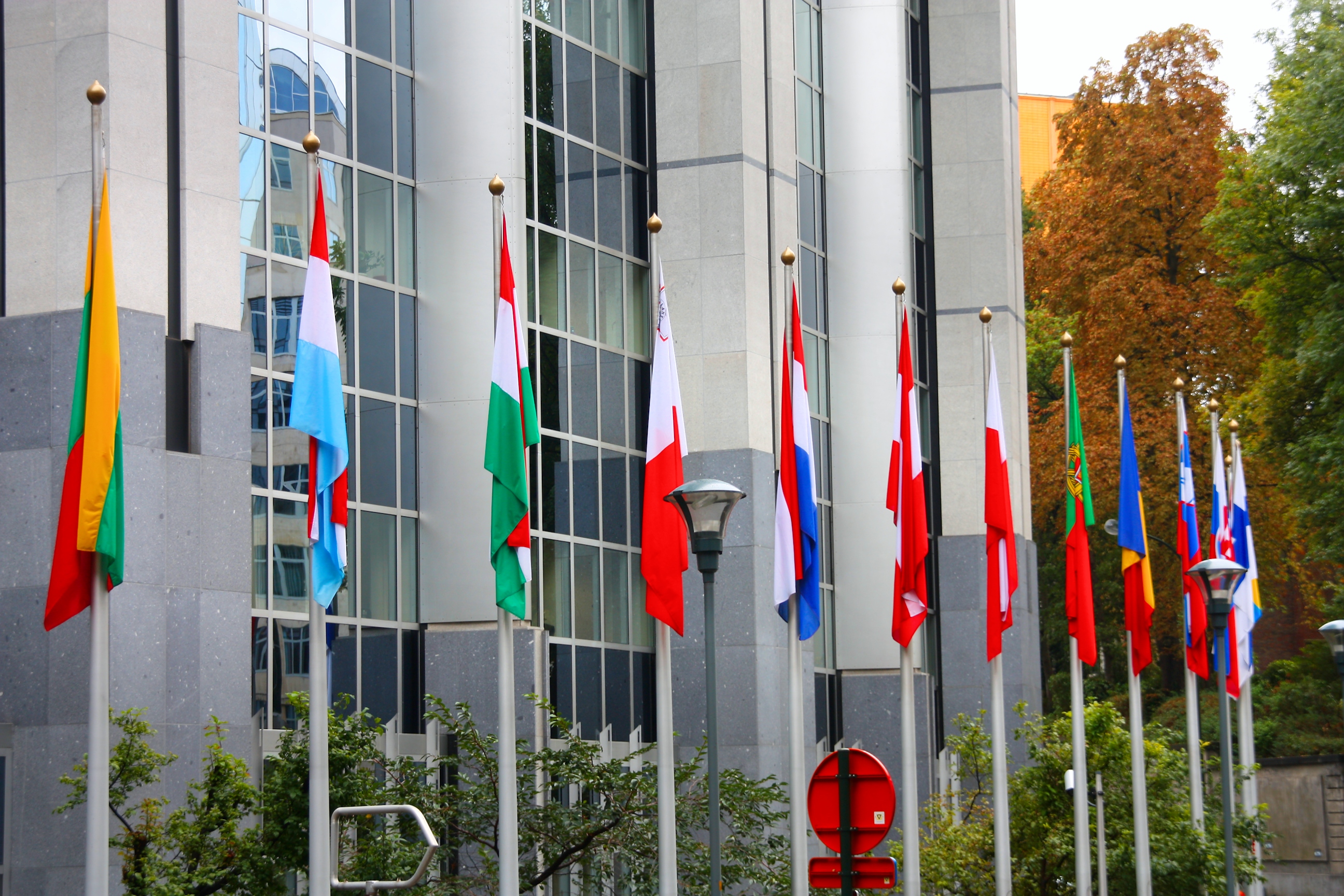
After gaining independence in 1991, Uzbekistan set about establishing relations not only with neighbouring states and major powers but also with Europe. The peak of this process was the Partnership and Cooperation Agreement (PCA) signed in 1996, which for many years remained the principal legal instrument of Uzbekistan–EU relations (Source: Council of the EU — Consilium; Gazeta.uz — Thirty years of rapprochement).
First steps: 1992–1994
The relationship developed gradually. In 1992 Uzbekistan signed a memorandum of understanding with the European Economic Community (the EU's predecessor). In 1994 Uzbekistan established formal diplomatic relations with the newly formed European Union. These dates mark the beginning of the European track of independent Uzbekistan's foreign policy (Source: Gazeta.uz; European Parliament delegation documents).
Florence, 21 June 1996
The Partnership and Cooperation Agreement was signed on 21 June 1996 in Florence, Italy. It was a “mixed” agreement, concluded between the European Communities and their member states on one side and the Republic of Uzbekistan on the other. The agreement was initially intended to last ten years (Source: Council of the EU — Consilium; EUR-Lex).

What the agreement covered
The PCA established a political dialogue and covered trade, investment-related questions, and cooperation across a wide range of civil areas. According to the official texts, the agreement was meant to support Uzbekistan's independence and sovereignty and to back its efforts to consolidate democracy, develop its economy, and complete the transition to a market economy (Source: CORDIS — Conclusion of PCA with Uzbekistan; Council of the EU).
1 July 1999: the agreement enters into force
Because all member states had to ratify it, the agreement entered into force several years later — on 1 July 1999. In the meantime interim arrangements and technical-assistance programmes (including TACIS, Technical Assistance to the Commonwealth of Independent States) governed trade and economic ties between Uzbekistan and the EU (Source: EUR-Lex; Gazeta.uz).
Later stages
The PCA served as a foundation. The EU later adopted its first strategy for Central Asia (2007), opened an EU delegation in Tashkent (May 2011; its first head, Norbert Jousten, in 2012), and provided financial assistance. These relations eventually advanced toward an Enhanced Partnership and Cooperation Agreement (EPCA) — but their historical root traces precisely to the 1996 Florence agreement (Source: Gazeta.uz; Wikipedia — Uzbekistan–European Union relations).
