The Cotton Affair (the 'Uzbek affair'): the 1980s investigation and its consequences
The 'Cotton Affair', also called the 'Uzbek affair', was a major Soviet-era criminal investigation into the padding of cotton figures (pripiski) and corruption in Uzbekistan's cotton economy in the 1980s. It led to some 800 criminal cases and more than 4,000 people found guilty. Below, its causes, scale and consequences are set out using only verified sources.
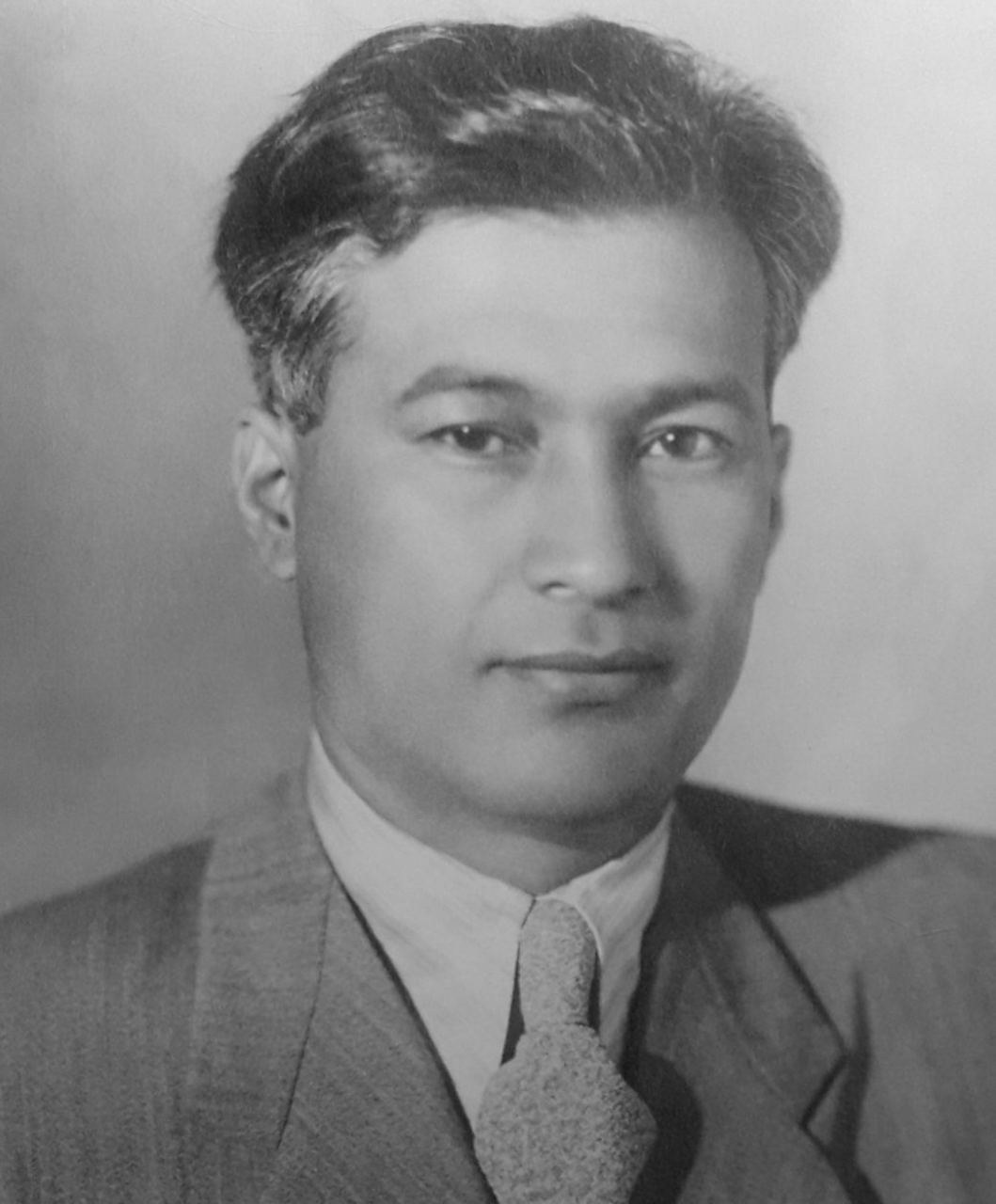
The 'Cotton Affair' (Russian: Khlopkovoye delo), often also called the 'Uzbek affair' (Uzbekskoye delo), was a set of criminal investigations in the final decade of the Soviet Union into vast padding of cotton figures and bribery in Uzbekistan's cotton economy. Below, the affair's causes, scale, main figures and consequences are set out using only verified historical sources.
The Rashidov era
Sharof Rashidov served as First Secretary of the Central Committee of the Communist Party of Uzbekistan from March 1959 until his death on 31 October 1983 — running the republic for almost a quarter of a century. It is his long rule that is later seen as the period in which the corruption scheme known as the 'Cotton Affair' flourished.
'Pripiski': padded cotton
At the heart of the affair is 'pripiski' — the padding of cotton harvests that were never grown. According to sources, Uzbekistan received billions of rubles from the center for non-existent cotton; by one account, four billion rubles in total were obtained for cotton that did not exist. In 1983 alone, some 981,000 tonnes of cotton were reported as harvested when that cotton did not exist.

The investigation begins
The investigation was led from April 1983, on the order of the USSR Procurator General, by two investigators — Telman Gdlyan and Nikolai Ivanov. They gathered evidence of bribery and padding, and announced that large sums of cash and valuables had been found at some locations. The investigation coincided with Mikhail Gorbachev's era of perestroika and glasnost.
The scale of the affair
According to official figures, some 800 criminal cases were opened in the affair and more than 4,000 people were found guilty on various charges. Among the accused were high-ranking officials: Yuri Churbanov, deputy USSR interior minister and Leonid Brezhnev's son-in-law; Inomjon Usmankhodjayev, who ran the republic after Rashidov (removed from office in January 1988); and the major farm boss Akhmadjan Adylov, who was arrested.
Political impact
Gdlyan and Ivanov soon became famous across the USSR and called the affair a corruption network reaching into the Kremlin. The researcher Riccardo Cucciolla notes that this investigation by the central authorities, and the publicity around it, was received in Uzbekistan as an accusation against an entire people and heightened feelings of grievance and humiliation in Uzbek society.
Conclusion and rehabilitation
By the late 1980s the investigation itself and the conduct of its investigators drew wide criticism. On 25 December 1991, Uzbekistan's President Islam Karimov pardoned those imprisoned in the affair; many of the accused were later rehabilitated. That date falls in the period when independent Uzbekistan began to assess its own history independently.
