The constitutional status of Karakalpakstan: 1990–1993
The Republic of Karakalpakstan was transferred from the RSFSR into the Uzbek SSR on 5 December 1936. On 14 December 1990 it adopted a Declaration of State Sovereignty. Uzbekistan's Constitution, adopted on 8 December 1992, defines Karakalpakstan as a sovereign republic within Uzbekistan and enshrines its own Constitution and the right to secede on the basis of a nationwide referendum. In 1993 the two republics signed a 20-year treaty. Based only on verified facts and exact dates.
The constitutional status of the Republic of Karakalpakstan within Uzbekistan took shape in 1990–1993. Below, this process — the 1936 territorial transfer, the 1990 sovereignty declaration, the norms of the 1992 Uzbek Constitution and the 1993 bilateral treaty — is set out strictly on the basis of verified official and encyclopedic sources, with exact dates.
Geography and the Aral Sea catastrophe context
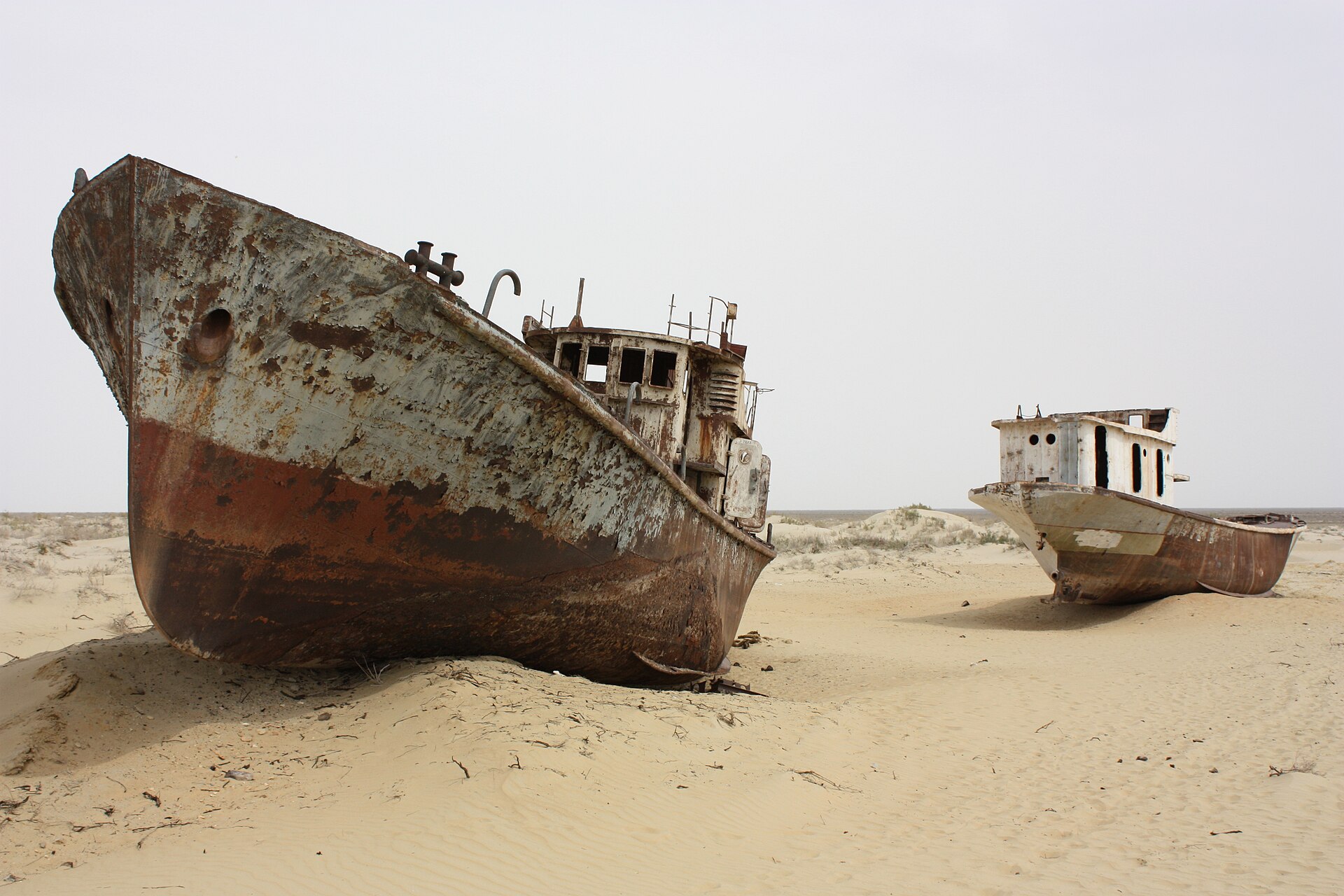
Karakalpakstan lies in the northwest of Uzbekistan and covers roughly 166,600 sq km. Its capital is the city of Nukus. The region includes the Ustyurt Plateau and the southern part of the Aral Sea. During the second half of the 20th century, intensive use of Amu Darya water for irrigation caused the Aral Sea to dry up; this is the principal cause of a major ecological crisis affecting the region's water supply, agriculture and public health. This situation forms the constant backdrop to debates over Karakalpakstan's status.
1936: transfer into the Uzbek SSR
The Karakalpak territory was upgraded from an autonomous oblast to the Karakalpak Autonomous Soviet Socialist Republic (ASSR) on 20 March 1932 and was part of the Russian SFSR (RSFSR). On 5 December 1936 — the day the new Constitution of the USSR was adopted — the Karakalpak ASSR was transferred from the RSFSR into the Uzbek SSR. It has remained part of Uzbekistan ever since.

14 December 1990: Declaration of State Sovereignty
On 14 December 1990 the Karakalpak ASSR adopted a Declaration of State Sovereignty. This step was part of the wave of sovereignty declarations (the 'parade of sovereignties') by many union and autonomous republics during the perestroika period in the Soviet Union. Uzbekistan declared its independence on 31 August 1991; thereafter the Karakalpak ASSR was renamed the Republic of Karakalpakstan.
The 1992 Uzbek Constitution: a sovereign republic
The Constitution of the Republic of Uzbekistan was adopted on 8 December 1992. It devotes a separate chapter (Articles 70–75) to Karakalpakstan. Under Article 70, the sovereign Republic of Karakalpakstan is part of the Republic of Uzbekistan, and its sovereignty is protected by Uzbekistan. Under Article 72, the laws of Uzbekistan are binding on the territory of Karakalpakstan. Under Article 73, the territory and boundaries of Karakalpakstan may not be altered without its consent.
Its own Constitution, treaties and the right to secede
Under the Constitution, Karakalpakstan has its own Constitution (which must not conflict with Uzbekistan's Constitution). Under Article 75, mutual relations between Uzbekistan and Karakalpakstan are regulated by treaties and agreements within the framework of the Uzbek Constitution, and disputes are settled by reconciliation. Under Article 74, Karakalpakstan has the right to secede from Uzbekistan on the basis of a nationwide referendum held by the people of Karakalpakstan.
The 1993 bilateral treaty
In 1993 Uzbekistan and Karakalpakstan signed an interstate treaty regulating their mutual relations. Sources record that this treaty was concluded for a 20-year term. The treaty confirmed, in line with the Constitution, that Karakalpakstan is part of Uzbekistan and that it has the right to secede on the basis of a referendum.
The Jokargy Kenes and Karakalpakstan's Constitution
Karakalpakstan adopted its own Constitution on 9 April 1993; it defines Karakalpakstan as a sovereign republic within Uzbekistan and reflects the provision on secession through a nationwide referendum. The republic's supreme representative and legislative body is the Jokargy Kenes (the parliament of Karakalpakstan). In this way, in 1990–1993 the constitutional status of Karakalpakstan within Uzbekistan — as a sovereign republic with its own Constitution and its own parliament — was formalized in law.

Sources
- Uzbekistan 1992 (rev. 2011) Constitution — Chapter XVII, Articles 70–75 (Constitute Project)
- Karakalpak Autonomous Soviet Socialist Republic — 1936 transfer, 1990 declaration (Wikipedia)
- Karakalpakstan — geography, Nukus, status, Aral Sea (Wikipedia)
- The curious case of the Republic of Karakalpakstan — 1993 treaty (The Foreign Policy Centre)
- Karakalpakstan: a little-known autonomy in post-Soviet Central Asia (ICELDS)