How the Qurʼan is structured and was revealed: suras, verses, juzʼ and the basics of recitation
The Qurʼan has 114 suras and, in the Hafs reading, about 6,236 verses, divided into 30 juzʼ for reading. It was revealed to the Prophet Muhammad (peace be upon him) over roughly 23 years (610–632) through the angel Gabriel. This reference explains, within mainstream, widely accepted scholarship and facts only, the Qurʼan's structure, revelation, compilation and the basics of its recitation.
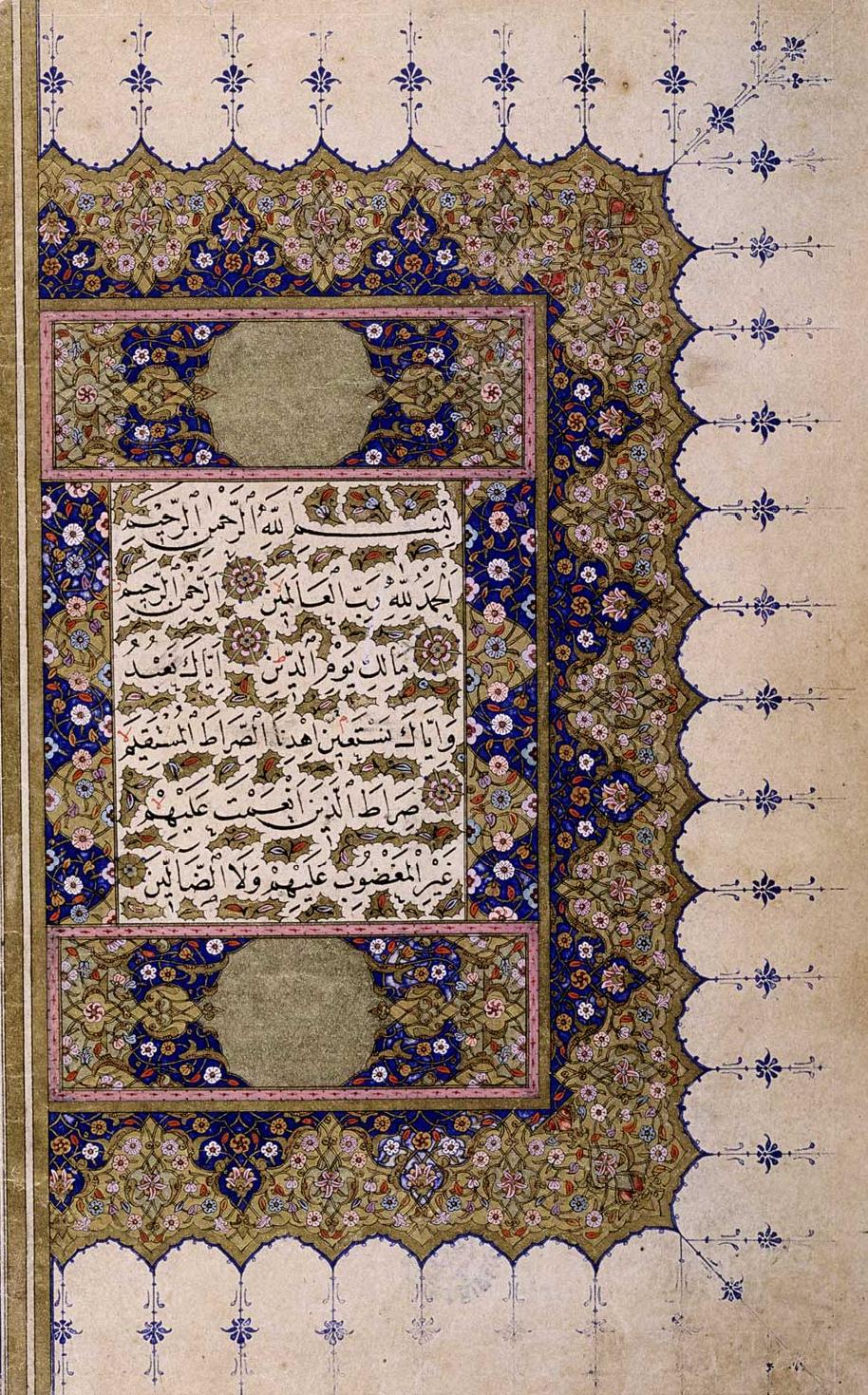
The Qurʼan is the holy book of Islam. The following sets out, facts only and within widely accepted scholarship, its outward structure (sura, verse, juzʼ), the history of its revelation, its compilation as a written text and the rules of recitation. Sectarian controversies are left aside.
Structure: suras and verses
The Qurʼan has 114 suras (chapters). The number of verses (ayahs) is usually given as 6,236 in the most widely used Hafs reading; the figure varies slightly between counting traditions (for example over whether the Basmala or certain openings are counted as separate verses). The longest sura is Al-Baqara (286 verses) and the shortest is Al-Kawthar (3 verses). The first sura is Al-Fatiha; most suras open with the Basmala, 'In the name of God, the Most Gracious, the Most Merciful' — the one exception being sura 9, At-Tawba.
Juzʼ, manzil and other divisions
To make reading and memorization easier, the Qurʼan is divided into 30 juzʼ (para); also into 7 manzil, and into smaller hizb and ruku units. These divisions do not affect the meaning of the text — they are simply aids to orderly reading.

Meccan and Medinan suras
Suras are classified as Meccan (revealed before the Hijra, the migration to Medina in 622) or Medinan (revealed after it). Meccan suras are generally shorter, with short rhythmic verses, dealing with the oneness of God, the Day of Judgment and the hereafter; Medinan suras are generally longer and address law and community life. A commonly cited split is 86 Meccan and 28 Medinan suras, though scholars differ on the exact classification of some suras.
The revelation
The Qurʼan was revealed to the Prophet Muhammad (peace be upon him) over roughly 23 years (c. 610–632). The first revelation began in the Cave of Hira near Mecca, with the first five verses of Surah Al-Alaq ('Iqraʼ…' — 'Read!'). The revelation was brought by the angel Gabriel (Jibril). The first revelation is traditionally linked to Laylat al-Qadr (the Night of Power) in Ramadan. Revelation came gradually, in response to events; many classical scholars held that the Qurʼan was first sent down in full to the lowest heaven and then conveyed piecemeal by Gabriel.
Compilation of the text
During the Prophet's lifetime the Qurʼan was preserved both by memorization (hifz) and oral transmission and by being written down by scribes. The first complete collection was made under the first caliph, Abu Bakr — after many reciters died at the Battle of Yamama — and entrusted to the scribe Zayd ibn Thabit. Under the third caliph, Uthman ibn Affan (c. 650), a single official codex (the Uthmanic mushaf) was prepared and copies sent to the main cities. The earliest copies had no vowel marks or dots; these were added later — traditionally beginning with Abu al-Aswad al-Duʼali and developed in the Umayyad (al-Hajjaj) era.
Recitation and tajwid
Reciting the Qurʼan has its own rules — tajwid (correct pronunciation of letters, elongation and so on). The canonical readings (qiraʼat) were fixed at seven and later ten, each transmitted through its own transmitters. An important point: Hafs and Warsh are transmitters, not readers. The most widespread reading in the world today is Hafs ʻan ʻAsim; it is the standard in Central Asia, including Uzbekistan. Warsh ʻan Nafiʼ predominates in North and West Africa.
Language and translation
The language of the Qurʼan is Classical Arabic (close to the dialect of Quraysh). Iʼjaz al-Qurʼan is the doctrine that the Qurʼan is inimitable in its language and style. Because the Arabic text itself is considered the Qurʼan, renderings into other languages are usually called 'translations of the meaning,' not the Qurʼan itself.
A note for Uzbek and Central Asian readers
In Uzbekistan the Hafs ʻan ʻAsim reading is the standard. Among modern Uzbek translations and commentaries, Alouddin Mansur's 'The Noble Qurʼan: Annotated Uzbek Translation' (serialized in the journal Sharq Yulduzi in 1990–1992 and published in full in 1992) and the six-volume Tafsiri Hilol by the former Grand Mufti Shaykh Muhammad Sodiq Muhammad Yusuf are widely known.
Why this matters
Knowing the structure and history of the Qurʼan is part of both religious and cultural literacy for every Muslim. For Uzbek families living abroad, this knowledge helps in introducing the book correctly to children, understanding the differences between translations and readings, and judging sources reliably.

Sources
- Encyclopaedia Britannica — Qurʼan (structure, revelation, compilation)
- Wikipedia — Quran (114 suras, ~6,236 ayahs, 30 juzʼ, Meccan/Medinan, compilation)
- Wikipedia — Uthmanic codex (Abu Bakr collection, Zayd ibn Thabit, Uthman standardization ~650)
- Wikipedia — Hafs / Warsh recitation (Hafs ʻan ʻAsim most widespread, incl. Central Asia)
- Open Book Publishers — Vernacular Qurʼanic space in post-Soviet Uzbekistan (Alouddin Mansur translation)
- Wikipedia — Muhammad Sadik Muhammad Yusuf / Tafsiri Hilol