How electoral systems work: majoritarian, proportional and mixed systems, and the referendum
An electoral system is the set of rules that turns votes into seats. This neutral reference explains majoritarian, proportional and mixed systems, the difference between presidential and parliamentary systems, what a referendum is, and the core principles of a free election, on the basis of sources.
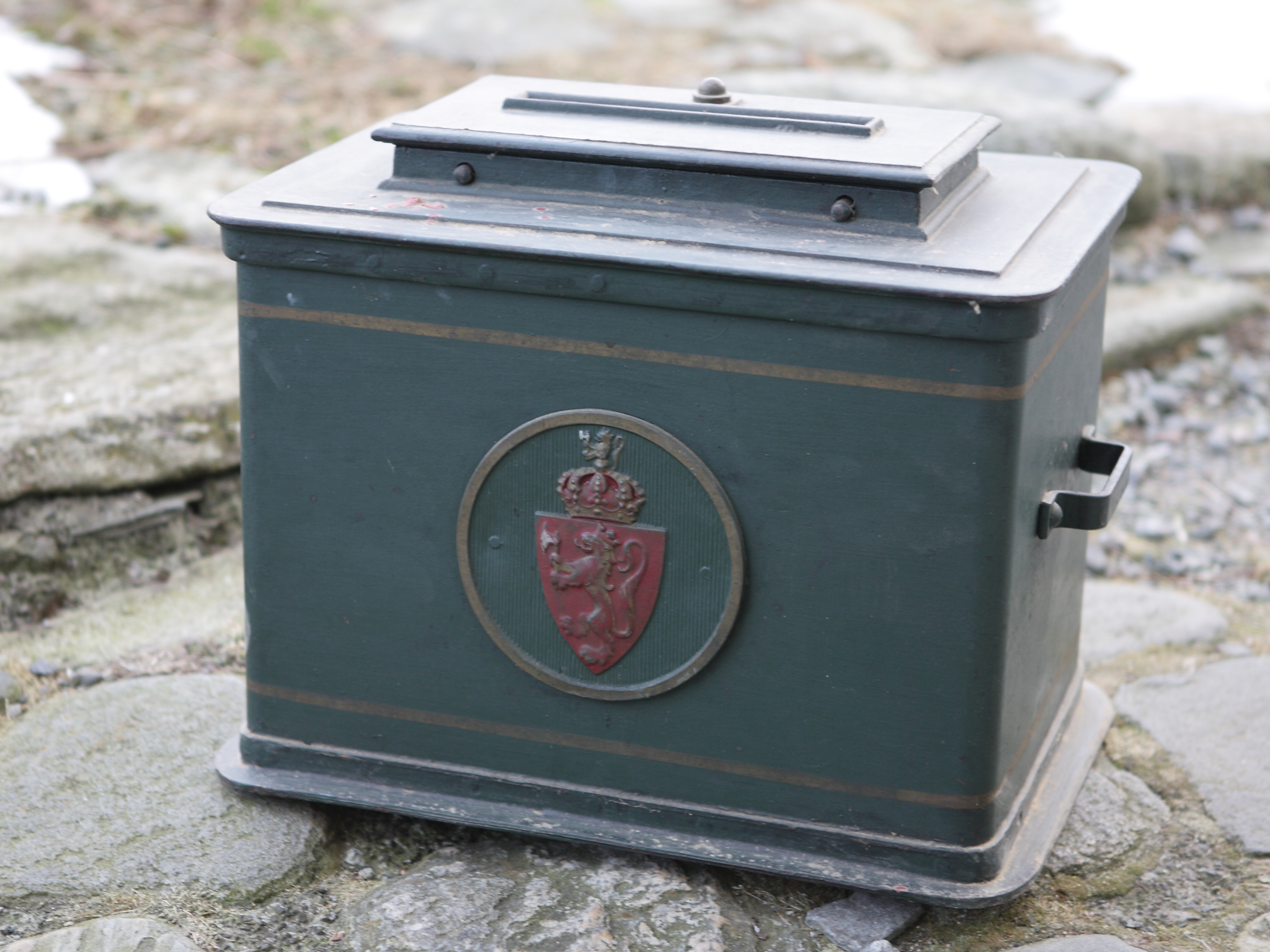
An electoral system is the set of rules that converts voters' ballots into seats in a legislature or into offices. There are three main families worldwide: majoritarian (majority/plurality) systems, proportional representation (PR), and mixed systems that combine the two. The choice of system determines how proportionally votes translate into seats. (Source: ACE Electoral Knowledge Network — Electoral System Design.)
Majoritarian systems: the most votes win
The most common majoritarian method is plurality, or First-Past-The-Post (FPTP). One member is elected per district; the candidate with the most votes wins, even with less than 50%. It is used in the US House of Representatives, the UK, Canada and India. Its advantages are simplicity and clear local representation; its drawbacks are that results can be disproportional and that many "wasted votes" arise. (Source: ACE; Electoral Reform Society.)
The two-round (runoff) system
In a two-round system, if no candidate wins an absolute majority (over 50%) in the first round, a second round is usually held between the top two candidates — guaranteeing the winner a majority. The classic example is the French presidential election. (Source: ACE; Wikipedia — "Two-round system.")

Proportional representation (PR)
In a proportional system seats are allocated in proportion to parties' vote share: a party with about 30% of the vote gets about 30% of the seats. An electoral threshold is usually set to exclude very small parties — for example 5% in Germany. Mathematical methods convert votes into seats: highest-averages methods (D'Hondt, slightly favouring larger parties; Sainte-Laguë, fairer to smaller ones) or largest-remainder methods. (Source: ACE; Electoral Reform Society — German states.)
Mixed systems
Mixed systems combine majoritarian and proportional parts. In Mixed-Member Proportional (MMP) the party-list seats are awarded compensatorily, so the overall result comes out proportional — Germany is the classic example. In a parallel system (Mixed-Member Majoritarian) the majoritarian and PR parts are counted separately with no compensation, so it is only semi-proportional. (Source: ACE Electoral Knowledge Network.)
Presidential, parliamentary systems and the US Electoral College
In a presidential system the executive (the president) is elected separately from the legislature; in a parliamentary system the government is drawn from and accountable to the parliament. The US is a special case — the president is elected not directly but through an "Electoral College": there are 538 electoral votes in total, 270 are needed to win, and in most states a "winner-take-all" rule applies (Maine and Nebraska are exceptions). (Source: U.S. National Archives — About the Electoral College.)
What is a referendum?
A referendum (plebiscite) is a direct vote by citizens on a specific question, law or proposal; rather than electing a representative, voters answer "yes" or "no" to the question itself. Referendums can be mandatory (required by law) or optional (triggered by petition or initiative); a minimum turnout threshold (quorum) is sometimes required. (Source: Encyclopaedia Britannica — "Referendum and initiative.")
The core principles of a free election
A credible election rests on universal and equal suffrage and the secret ballot — enshrined in the OSCE's 1990 Copenhagen Document (paragraphs 7.3 and 7.4). An independent election commission administers the vote, while independent observers — for example OSCE/ODIHR missions — assess whether the process meets international standards. (Source: OSCE/ODIHR — Election Observation Handbook.)
The example of Uzbekistan
Uzbekistan is a presidential republic; the president is elected by popular vote for a seven-year term. The parliament is the bicameral Oliy Majlis: the Senate (65 members) and the Legislative Chamber (150 deputies), with a five-year term. After the 2023 constitutional referendum and the amendments to the Election Code adopted on 18 December 2023, the Legislative Chamber is elected under a mixed system, applied for the first time in the election of 27 October 2024: 75 seats by the majoritarian (FPTP) method in single-mandate districts and 75 seats proportionally by closed party lists. The quota for women among each party's candidates was raised from 30% to 40%. (Source: IFES — Uzbekistan Parliamentary and Local Elections, 2024.)
Conclusion
An electoral system is a set of rules that can produce very different outcomes from the same votes. Majoritarian systems are simple and produce a clear winner, but results can be disproportional; proportional systems translate vote share into seats more fairly; mixed systems sit between the two. A referendum, by contrast, is not about electing a representative but about answering a specific question directly.

Sources
- ACE Electoral Knowledge Network — Electoral System Design
- U.S. National Archives — About the Electoral College
- OSCE/ODIHR — Election Observation Handbook (6th ed.)
- Encyclopaedia Britannica — Referendum and initiative
- Electoral Reform Society — What's wrong with First Past the Post?
- IFES — Election FAQs: Uzbekistan Parliamentary and Local Elections, 27 Oct 2024