Law on the revised Uzbek alphabet signed on Uzbek Language Day
On 21 October — Uzbek Language Day — President Shavkat Mirziyoyev signed a law improving the Latin-based Uzbek alphabet. The revised alphabet will have 28 letters and one apostrophe; four letters will be written differently.
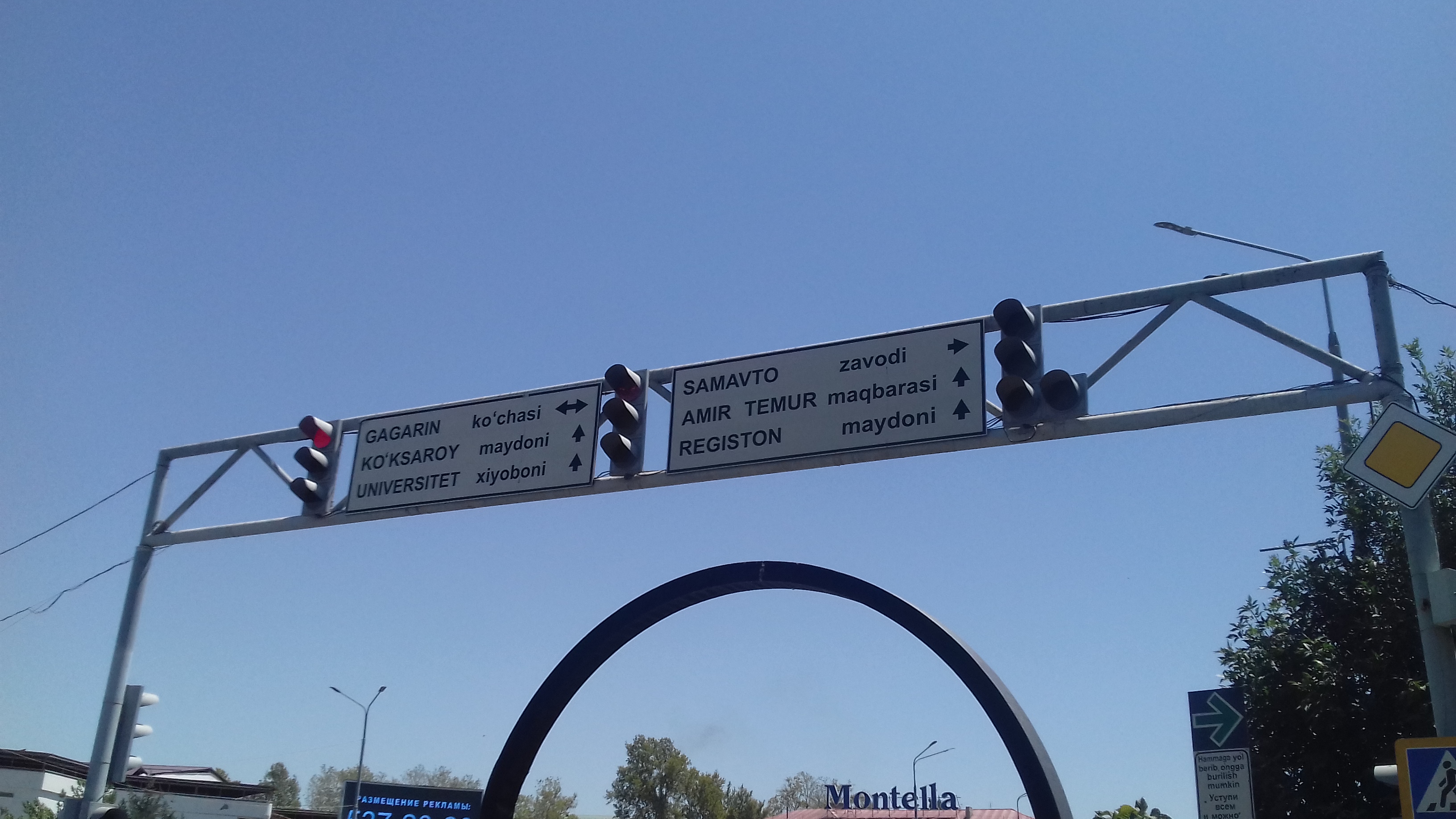
On 21 October 2026, Uzbek Language Day, President Shavkat Mirziyoyev signed a law improving the Latin-based Uzbek alphabet. The law makes several changes to the current Uzbek Latin script and, according to the sources, enters into force six months after its official publication.
What changes in the alphabet
The revised alphabet will have 28 letters plus one apostrophe. The previous system used 26 letters and three digraphs. Four sounds will now be written with a single letter carrying a diacritic: Sh becomes Ş, Ch becomes Ç, Oʻ becomes Ö and Gʻ becomes Ğ. The combination Ng is also removed as a separate unit of the alphabet.
How the transition will work
The reform is being introduced gradually to limit costs. Existing personal documents, the national currency and securities retain their validity. Textbooks, official signs and road signs will be converted to the new script gradually, as they reach the end of their service life.

Saida Mirziyoyeva's comment
Head of the Presidential Administration Saida Mirziyoyeva commented on the law's adoption, stressing that it resolved a matter that had caused debate for years. 'Finally, a long-standing historical mistake has been corrected,' she said. 'Of course, change is never easy, and it is perfectly natural for it to provoke objections or concerns. But there was no other way to address the shortcomings of our writing system and strengthen the position of our native language in the digital space,' she added.
Why it matters
Uzbekistan formally began switching to the Latin script in 1993, but in practice the Cyrillic and Latin alphabets have been used side by side for decades. With this law the government aims to remove inconsistencies in the writing system and to strengthen Uzbek in the digital environment — keyboards, the internet and official paperwork. The change affects every pupil, teacher and state office.
