The four changed letters of the revised Uzbek alphabet: an Uzbek tradition or a Turkic turn?
The letters Ş, Ç, Ö, Ğ in the revised Uzbek Latin alphabet look Turkic to many. In fact they were already part of the original 1993 alphabet. The arguments and objections around the reform.
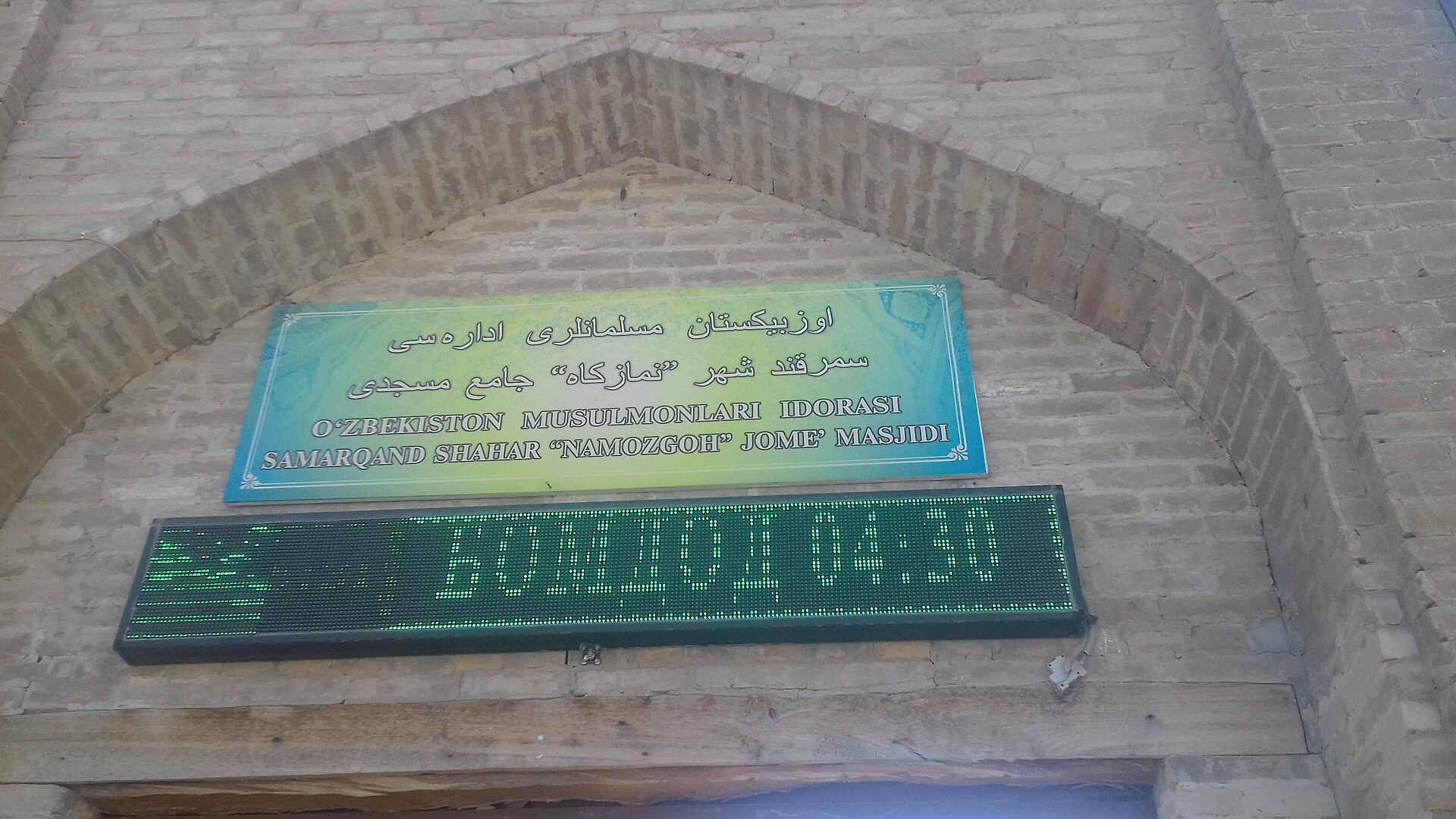
On 21 October 2026, Uzbek Language Day, President Shavkat Mirziyoyev signed a law revising the Latin-based Uzbek alphabet. Four letters are now written differently: Sh becomes Ş, Ch becomes Ç, Oʻ becomes Ö and Gʻ becomes Ğ. The revised alphabet has 28 letters and one apostrophe.
Are these letters Turkic or Uzbek?
Because Ş, Ç, Ö and Ğ are also used in neighbouring Turkic alphabets, including Azerbaijani and Turkish, many see them as a 'Turkic' turn. Yet the characters are not new to Uzbek writing: according to Gazeta.uz, the original Uzbek Latin alphabet introduced in 1993 already contained Ş, Ç, Õ and Ğ. They were removed only in 1995 and replaced with the digraphs Sh, Ch, Oʻ and Gʻ. In that sense the present reform is largely a return to the original solution.
The case for the reform
Senator Odiljon Mamatkarimov said that in practice more than ten variants had been used to write the Oʻ and Gʻ sounds, causing search engines and software to treat identical words as different ones. The reform strengthens the principle of 'one sound, one letter'. Officials framed the change as reinforcing Uzbek in the digital environment — keyboards, internet search and Uzbek-language artificial-intelligence technologies.

The Turkic world's response
Ambassador Kubanychbek Omuraliev, Secretary General of the Organization of Turkic States, welcomed the enactment of the improved Latin-based Uzbek alphabet. Officials noted that the new letters make Uzbek more compatible with other Turkic languages that use the Latin script.
Objections and questions
Not everyone received the reform the same way. According to Times of Central Asia, education expert Komil Jalilov questioned whether enough research had been carried out before the decision and whether technological alternatives to replacing Sh and Ch had been examined, and called for comparative research into reading, writing and comprehension speeds across age groups.
How the transition will work
The law enters into force six months after official publication. The transition is gradual: existing personal documents, the national currency and securities remain valid, while textbooks, signs and signposts are updated over time. According to the sources, first-grade textbooks will be printed in the new alphabet from 2027.
