Mirziyoyev: 'In migration, we need quality, not numbers' — overseas job placement to be handed to private agencies from 2027
On November 2, President Shavkat Mirziyoyev chaired a meeting on labour migration. Germany requested 45,000 specialists this year but only 2,000 Uzbeks were hired due to a German-language gap; from next year, overseas job placement will be transferred to private agencies.
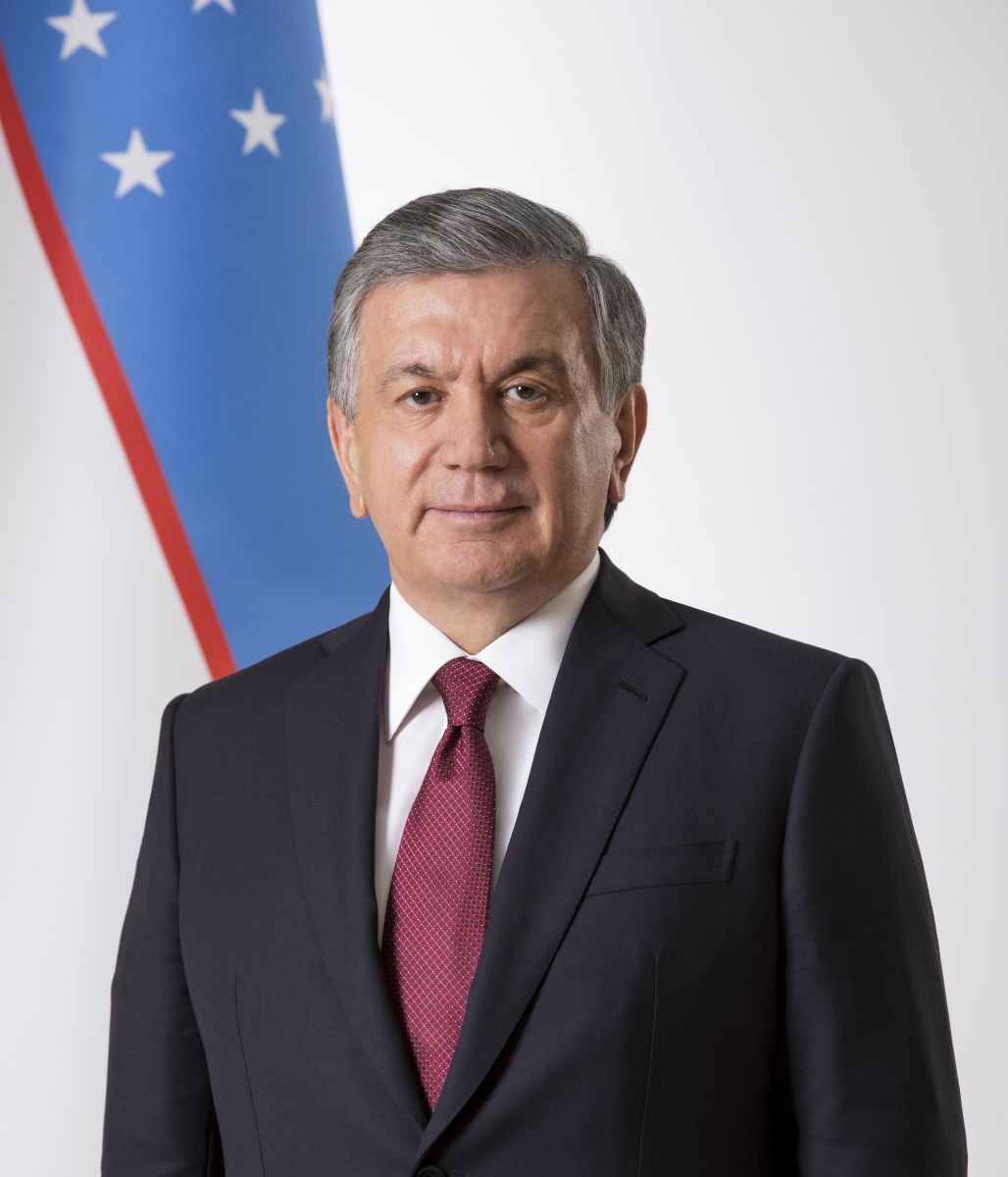
On November 2, 2026, President Shavkat Mirziyoyev chaired a meeting on labour migration and targeted language and vocational training at the 'Intil' International Language and Vocational Training Center in Tashkent's Uchtepa district. The meeting stressed that the guiding principle of state policy is quality, not numbers.
'We need quality, not numbers'
Some 168 million people are now in international labour migration worldwide. The president said citizens must be prepared for specific jobs, stressing that migration needs quality rather than sheer numbers. Cooperation on organised labour migration has widened: the number of partner countries has risen from 3 to 27, and large foreign employers to about 400. Although the number of Uzbeks working abroad has halved over a decade, the money they send home has quadrupled.
Germany requested 45,000, only 2,000 placed
Germany requested 45,000 specialists this year, but only 2,000 were hired — the main obstacle being a shortage of German-speaking candidates. German will therefore be taught alongside a trade at two or three technical colleges in each region. At the 'Intil' center, 100 German-language teachers are being trained with the Telc company, and 500 more native German speakers will be recruited for schools and colleges. The UK also needs 33,000 workers, while the EU has for the first time included recruiting Central Asian specialists in its migration strategy.

A unified migration center in every region
A single migration center will open in each region next year, with UZS 8bn ($663,854) allocated to each. Next year 10,000 people are to be trained in a trade and German and placed in jobs in Germany. Within a month, 20 technical colleges will be selected and their curricula aligned with foreign employers' requirements; two or three more per region will be handed to large entrepreneurs (for 15 years) to produce at least 30,000 job-ready specialists a year.
Overseas placement moves to private agencies
From next year, sending citizens abroad for work will be transferred to trusted private-sector employment agencies, which will receive UZS 1.5mn for each person placed in a well-paid job, with a public rating of agencies maintained. After licensing was simplified, the number of agencies tripled in two years and placements through them rose fivefold. Opportunities exist to place 287,000 people in jobs across 34 countries this year, but citizens are not sufficiently informed about them.
'Online Mahalla' and protecting rights
Information on each overseas vacancy — the requirements, the language and the training needed — will now reach every mahalla. The 'Mahalla Seven' will register interested citizens on the 'Online Mahalla' platform; regional governors will review results monthly and district governors twice a month. Citizens in difficulty abroad can leave a request on the 'Online Mahalla' platform, and when necessary the ambassador will personally handle the case. The president ordered the system to be fully introduced within 10 days.
Returnees and recognition of work experience
Since the start of the year, 1.116 million citizens have returned from abroad; the goal is to find suitable jobs for 250,000 of them by year-end. Uzbeks now work legally and pay pension contributions in more than 40 countries, and bilateral agreements on recognising work experience have been signed this year with Kyrgyzstan, Azerbaijan and Turkey. Meanwhile, the number of foreigners residing long-term in Uzbekistan has approached 250,000, of whom 36,000 hold work permits and 24,000 are students.
