How the US tax return works: basics for immigrants
What a US income tax return is, who must file, the difference between an SSN and an ITIN, Form 1040 and W-2, the April 15 deadline, refunds and penalties — a fact-based guide for immigrants from Uzbekistan, based on IRS sources.
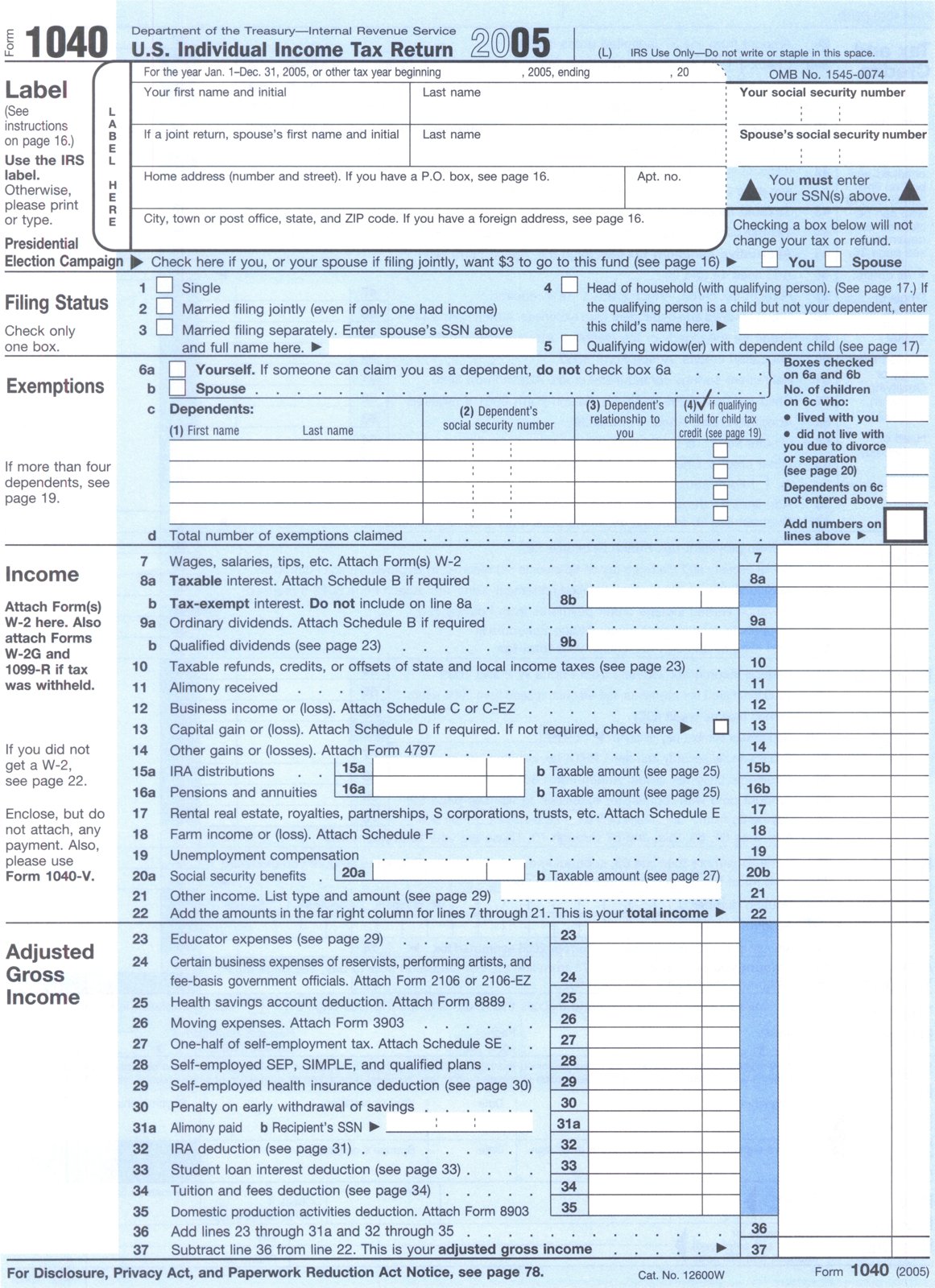
The US income tax system works on a “pay-as-you-go” basis: tax is withheld from wages or prepaid during the year, and at year-end a single document — the tax return — reconciles what was paid against the actual tax due. Below, who must file, what documents are needed and the deadlines are set out on the basis of official IRS (Internal Revenue Service) information. This is general information; for your specific situation, consult a licensed tax professional.
Who must file
For tax purposes the IRS calls anyone who is not a US citizen an “alien,” and classifies them as either a resident alien or a nonresident alien. US citizens and green-card holders (lawful permanent residents) are taxed on their worldwide income — regardless of where they live — and must file; resident aliens are taxed the same way.
You are a resident alien for the year if you meet either the green card test or the substantial presence test. In essence, the substantial presence test requires being physically present in the US at least 31 days in the current year and at least 183 days over a three-year period (all days in the current year, one-third of the prior year's days, and one-sixth of the days from the year before). Someone who meets neither test is a nonresident alien and is generally taxed only on US-source income.

Which form you file depends on tax residency, not on where you live: US citizens and resident aliens file Form 1040 (worldwide income); nonresident aliens file Form 1040-NR (US-source income only).
SSN and ITIN: the tax ID numbers
For people authorized to work, the primary tax identifier is the SSN (Social Security number). Those not eligible for an SSN but who need an ID for tax purposes use an ITIN. The ITIN (Individual Taxpayer Identification Number) is a 9-digit number issued by the IRS to certain resident and nonresident aliens, their spouses and dependents.
You apply for an ITIN with Form W-7, submitted with identity documents and generally a tax return; the same form is used to renew an expiring ITIN. Importantly, an ITIN is for tax reporting only — it does not authorize work, provide Social Security benefits, or confer immigration status.
Core documents and withholding
Form 1040 is the individual annual income tax return: it reports income, computes taxable income, and determines tax owed or a refund. Form W-2 (Wage and Tax Statement) is issued by the employer and shows wages and the income, Social Security and Medicare taxes withheld; the employer sends it both to the employee and to the government.
The 1099 forms report income that is not wages (for example 1099-NEC for independent-contractor pay). “Withholding” is the employer holding back income, Social Security and Medicare tax from wages and remitting it during the year; the amount of income tax withheld is set by the employee's Form W-4. Payments to independent contractors are generally not subject to withholding — they pay their own tax.
Filing deadline and extension
The general federal filing deadline is April 15. If it falls on a weekend or holiday, it moves to the next business day. Form 4868 automatically extends the filing deadline to October 15.
A crucial rule: an extension extends the time to file, not the time to pay. Any tax owed is still due by the April deadline; interest and penalties accrue on amounts not paid on time.
Refunds, the standard deduction and credits
Because tax was withheld or prepaid during the year, at filing you either receive a refund (if you overpaid) or owe a balance (if you underpaid). The standard deduction is a fixed amount that reduces taxable income; it varies by filing status and age (65+) and is adjusted for inflation each year. A taxpayer either takes the standard deduction or itemizes — not both.
Some credits are refundable — after reducing tax to zero, the remainder is paid out. The EITC (Earned Income Tax Credit), for low-to-moderate-income workers, is one such credit, but the taxpayer, spouse (if filing jointly) and each qualifying child must have a valid SSN — people filing with an ITIN cannot claim the EITC. The Child Tax Credit likewise requires the child to have an SSN.
State tax is separate
Beyond federal tax, most states levy a separate state income tax — residents of those states may file both a federal and a state return. Nine states have no individual income tax: Alaska, Florida, Nevada, New Hampshire, South Dakota, Tennessee, Texas, Washington and Wyoming. But living in a no-income-tax state does not exempt you from federal filing — Form 1040 is still required.
Tax and immigration
Tax compliance also matters for immigration. USCIS treats meeting tax obligations as part of the “good moral character” assessment for naturalization; officers routinely ask whether returns were filed for every required year and may request IRS transcripts. As a permanent resident, reporting worldwide income to the IRS is a legal obligation.
Consequences of not filing
The failure-to-file penalty is 5% of the unpaid tax for each month (or part of a month), up to 25%. The failure-to-pay penalty is 0.5% per month, up to 25%. Interest also accrues on unpaid balances and compounds daily from the due date; for individuals the rate is the federal short-term rate plus 3%.
The IRS offers e-file as its standard method and free IRS Free File software to eligible taxpayers, which can also be used to file the Form 4868 extension. Penalties may be reduced or removed for reasonable cause.

Sources
- IRS — Topic no. 851, Resident and nonresident aliens
- IRS — Substantial presence test
- IRS — Individual Taxpayer Identification Number (ITIN) / About Form W-7
- IRS — About Form 1040, About Form W-2, Failure to File Penalty
- IRS — Who Qualifies for the EITC / About Form 4868
- Tax Foundation — 2025 State Income Tax Rates and Brackets