Uzbekistan's move to a bicameral parliament: the 2002 referendum and the creation of the Senate (2002–2005)
From 1995 Uzbekistan's Oliy Majlis was unicameral, with 250 deputies. In a referendum on 27 January 2002 voters were asked to make parliament bicameral and to extend the presidential term from five to seven years; according to official results both measures were approved. The bicameral Oliy Majlis took office on 27 January 2005 after the December 2004–January 2005 elections: a lower house, the Legislative Chamber (120 seats at first), and an upper house, the Senate (100 members). Based on reputable sources.
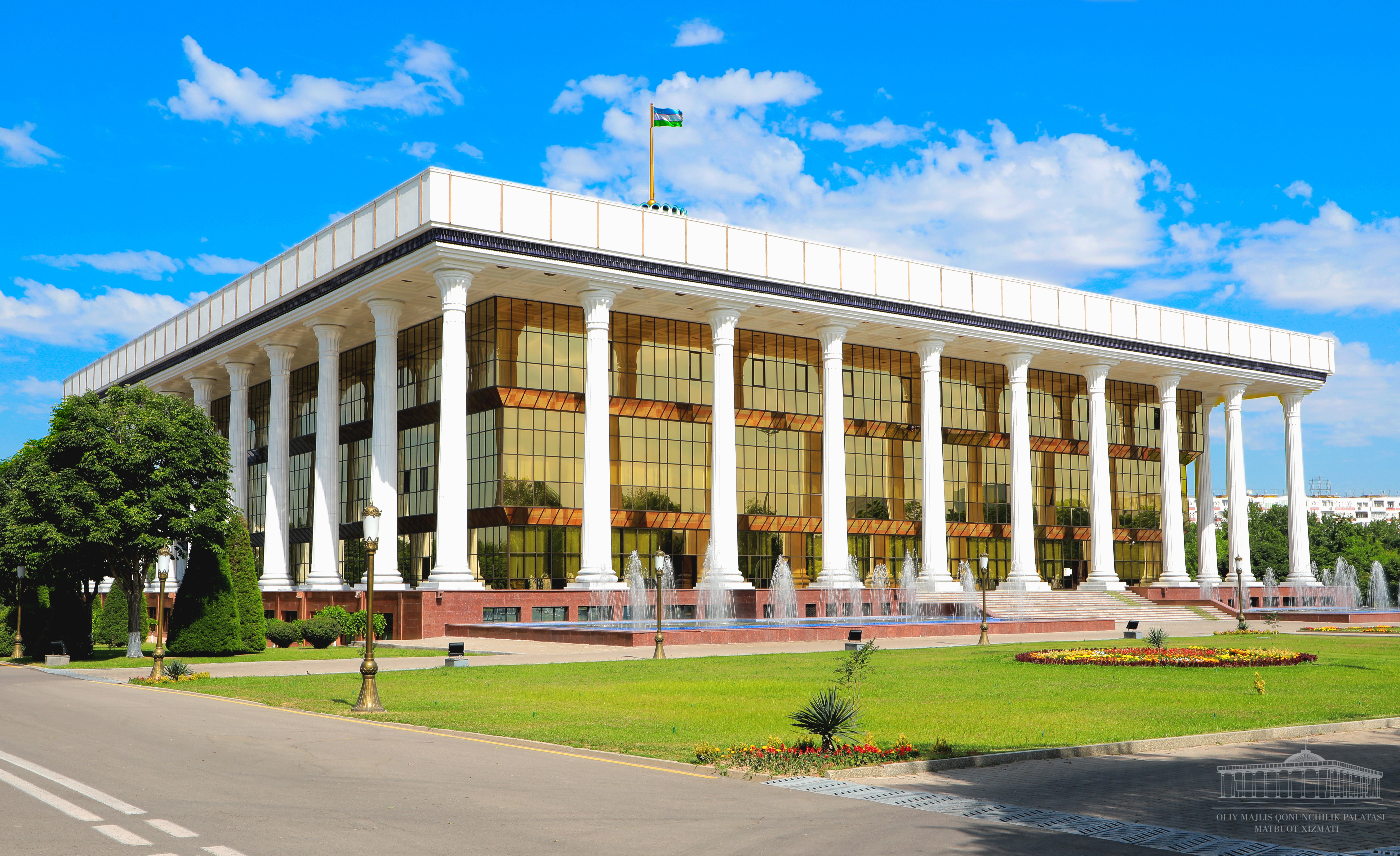
One of the significant changes in Uzbekistan's state-building during the years of independence was the shift of parliament from a single chamber to a bicameral system. The reform began with the 2002 referendum and was completed in 2005 with the creation of the Legislative Chamber and the Senate. Below the process is set out on a facts-only basis, drawing on reputable sources.
Before 2002: a unicameral Oliy Majlis
The Oliy Majlis succeeded the Supreme Council (Oliy Kengash) in 1995 and remained unicameral (single-chamber) until the reform implemented in 2005. The first election was held on 25 December 1994 and on 8 and 22 January 1995. The single-chamber body had 250 deputies, elected in 1994/1995 and again in 1999.
The referendum of 27 January 2002
The referendum held on 27 January 2002 put two questions: agreement that the next convocation of parliament would be bicameral, and agreement to change the president's constitutional term of office from five years to seven. According to official results, the bicameral-parliament proposal was approved by 93.65% and the extension of the presidential term by 91.78%; the reported turnout was 92%.

Observers' objections
Most international monitors declined to observe the referendum systematically; human-rights organisations such as Human Rights Watch criticised it. Extending the presidential term meant the then-current term ran to 2007 instead of 2005.
Establishing the bicameral parliament
After the referendum, constitutional amendments were made and the first bicameral Oliy Majlis was formed after the December 2004–January 2005 elections. The Legislative Chamber (the lower house) had 120 seats in its first convocation; deputies were elected in single-mandate constituencies. The Senate (the upper house) consists of 100 members: 84 are elected by the territorial representative councils (of the provinces, the Republic of Karakalpakstan and the city of Tashkent), and 16 are appointed by the President.
Key dates and leaders
The Legislative Chamber election was held in two rounds: the first round on 26 December 2004 and the run-off on 9 January 2005. Both chambers took office on 27 January 2005 — exactly three years after the referendum. Murodjon Sharifxo'jayev was elected the first Chairman of the Senate (27 January 2005 – 24 February 2006) and Erkin Xalilov the first Speaker of the Legislative Chamber. The election was observed by an OSCE/ODIHR limited observation mission, whose final report was published on 7 March 2005.
The reform's stated purpose
The officially stated aim of the reform was to create a lower house (the Legislative Chamber) working on a permanent, professional basis, together with an upper house (the Senate) providing territorial representation for the provinces, Karakalpakstan and the city of Tashkent.
Later changes
The number of seats in the Legislative Chamber later increased: 120 seats applied only to the first convocation (2005–2009); from the December 2009–January 2010 elections the chamber was expanded to 150 seats. Today the Oliy Majlis has 250 members in total — 150 in the Legislative Chamber and 100 in the Senate. The bicameral structure has become a permanent feature of post-independence state-building.

Sources
- Wikipedia — 2002 Uzbek constitutional referendum (questions, results)
- Wikipedia — Oliy Majlis (history, structure)
- Wikipedia — Senate of Uzbekistan (composition, first chairman)
- Wikipedia — 2004–05 Uzbek parliamentary election (dates, 120 seats)
- OSCE/ODIHR — Uzbekistan, parliamentary elections 2004 (final report, 7 March 2005)