“China Conference: Central Asia 2026” in Astana: China–Region Trade Passes $100 Billion
The forum held on the AIFC platform on Sept. 7 was organized in Central Asia for the first time by a Hong Kong publication. The themes were capital, resources and the digital Silk Road.
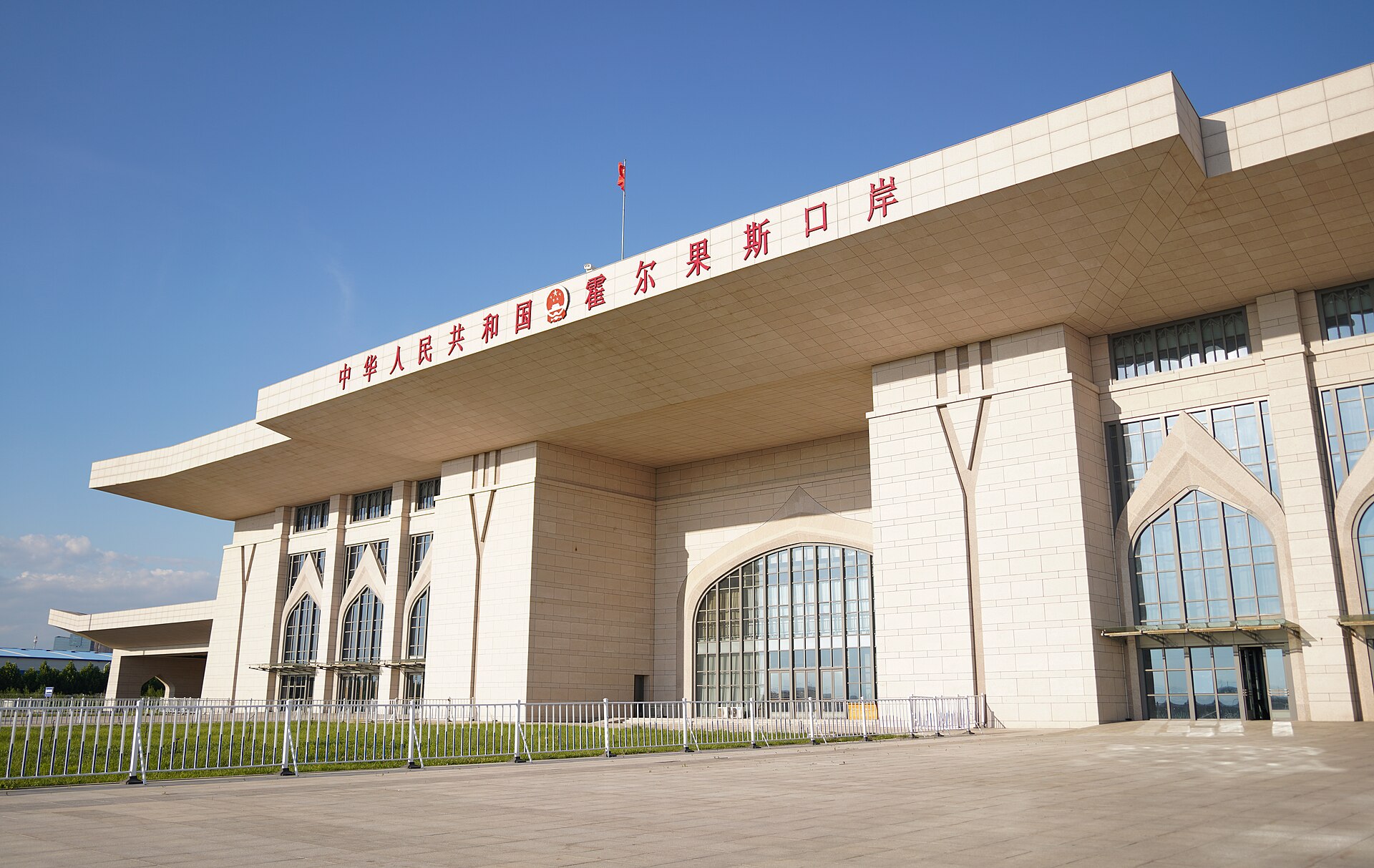
The “China Conference: Central Asia 2026” forum was held in Astana on Sept. 7, 2026. The event was organized jointly by the Hong Kong publication South China Morning Post (SCMP) and the Astana International Financial Centre (AIFC).
It was noted as the first event on this scale held in Central Asia by a Hong Kong media organization.
Trade volume
According to figures presented at the forum, trade between China and the five Central Asian states has passed $100 billion.
Uzbek statistics confirm the trend: in January–June 2026, China ranked first in the country's foreign trade with $9.5 billion; Russia followed with $7 billion and Kazakhstan with $2.8 billion.
The forum's themes
The program was built around four main tracks:
- Macroeconomics and diplomacy
- Mining and natural resources
- Financial services and raising capital
- Infrastructure and connectivity
The overall theme was designated “Capital, Resources and the Digital Silk Road.” Discussions covered routes for raising capital and dual listings, “smart” mining and the energy transition, digital infrastructure, and health care and workforce development.
The AIFC platform
The AIFC is a financial center that began operating in 2018 with a separate court system based on English common law and its own regulator. The Astana International Exchange (AIX) operates within it.
The AIFC hosted another major event the same week as the forum: Astana Finance Days was held on Sept. 9–10, where reducing the Kazakh financial system's dependence on banks was discussed.
Projects on the China track
Several projects involving China were advanced in the region over the course of 2026. On Sept. 10, Kyrgyzstan signed a memorandum on a logistics center providing for up to $100 million in investment in the village of Sary-Tash, 70 kilometers from the Irkeshtam crossing on the Chinese border.
Over the same period, Kazakhstan announced negotiations on a China–Central Asia satellite network; the proposed system is to consist of five satellites.
The question of balance
Kazakhstan is at the same time expanding technology cooperation with the United States. A Kazakhstan–China investment forum is scheduled for Sept. 25 in Almaty, where artificial intelligence is expected to be a priority theme.
Observers note that the main task for the region's states is preserving the ability to work with several major partners at once.
A note
The history of China–Central Asia trade
After independence was declared in 1991, trade between China and the Central Asian states was relatively small. It has grown several dozenfold over the past thirty years.
The main stages of that growth are tied to energy infrastructure: the launch of a gas pipeline from Turkmenistan to China and an oil pipeline from Kazakhstan sharply increased trade volumes.
The Belt and Road Initiative, announced in 2013, gave an additional push to transport and infrastructure projects.
The composition of trade
China supplies the region mainly with machinery and equipment, electronics, vehicles and consumer goods. The region exports energy resources, metals, cotton and agricultural products.
Electric vehicles have become a distinct segment in recent years: imports of electric and hybrid cars in Uzbekistan rose over the course of 2026 while imports of gasoline cars fell.
The trade balance is often skewed in China's favor; the region's states are encouraging exports of processed goods in order to reduce that imbalance.
Mining and energy
One of the forum's main tracks was mining and natural resources. The discussion covered “smart mining” technologies — automation, data analytics and remote control.
The energy transition was also included in the program. The region's states are expanding renewable energy capacity; Uzbekistan plans to add 6.7 GW of new capacity by the end of 2026.
Finance and listings
The forum discussed routes for raising capital and the question of dual listings. The practice means a company's shares are traded on two exchanges at the same time.
For Central Asian companies, the Hong Kong exchange is viewed as a route to Asian capital. The AIFC, for its part, aims to become a regional listing venue.
The digital Silk Road
The term “digital Silk Road” is applied to projects involving telecommunications infrastructure, data centers and cross-border fiber-optic lines.
For Central Asian states, this track offers a way to diversify the transit routes for internet traffic: most traffic currently passes through Russia.
The policy of balance
Alongside expanding technology cooperation with China, Kazakhstan is also maintaining ties with the United States. A Kazakhstan–China investment forum is scheduled for Sept. 25 in Almaty, where artificial intelligence is expected to be a priority theme.
The volume of commercial agreements announced in July 2026 was reported to have exceeded $15 billion.
On Sept. 12, Kazakhstan's president met with the U.S. special envoy on the sidelines of the BRICS summit — another expression of the multi-vector policy.
Chinese projects in the region
Several projects involving China were announced in September 2026. On Sept. 10, Kyrgyzstan signed a memorandum on a logistics center in the village of Sary-Tash, 70 kilometers from the Irkeshtam crossing; the project provides for up to $100 million in investment.
Over the same period, Kazakhstan announced negotiations on a China–Central Asia satellite network; the proposed system is to consist of five satellites.
The largest project is the China–Kyrgyzstan–Uzbekistan railway; official agreements on it were signed in 2024.
Comparing the data
The trade figures presented at the forum may differ somewhat across sources: some calculations rest on Chinese customs statistics and others on the national statistics of the region's states.
Such differences are usually explained by re-exports, the treatment of transport costs and exchange rate variations.
Health care and workforce
Health care and workforce development were also included in the forum's program. Interest in foreign investment is growing in the region in medical equipment, pharmaceuticals and telemedicine.
The workforce question is a key condition for implementing technology projects: major infrastructure and digital projects require qualified engineers and IT specialists.
Its significance as a media event
The forum was organized by Hong Kong's South China Morning Post. It was noted as the first event on this scale held in Central Asia by a Hong Kong media organization.
Business forums organized by media companies have become a widespread format in recent years: they combine an audience and analytical resources with a commercial event.
The trade figures presented at the forum may differ somewhat across sources: some calculations rest on Chinese customs statistics and others on the national statistics of the region's states.