On the Foundations of State Independence: 31 August 1991 and the Legal Birth of Uzbekistan
On 31 August 1991 Uzbekistan declared state independence and adopted the Constitutional Law On the Foundations of State Independence. This is a factual history of the legal foundation of independent statehood.
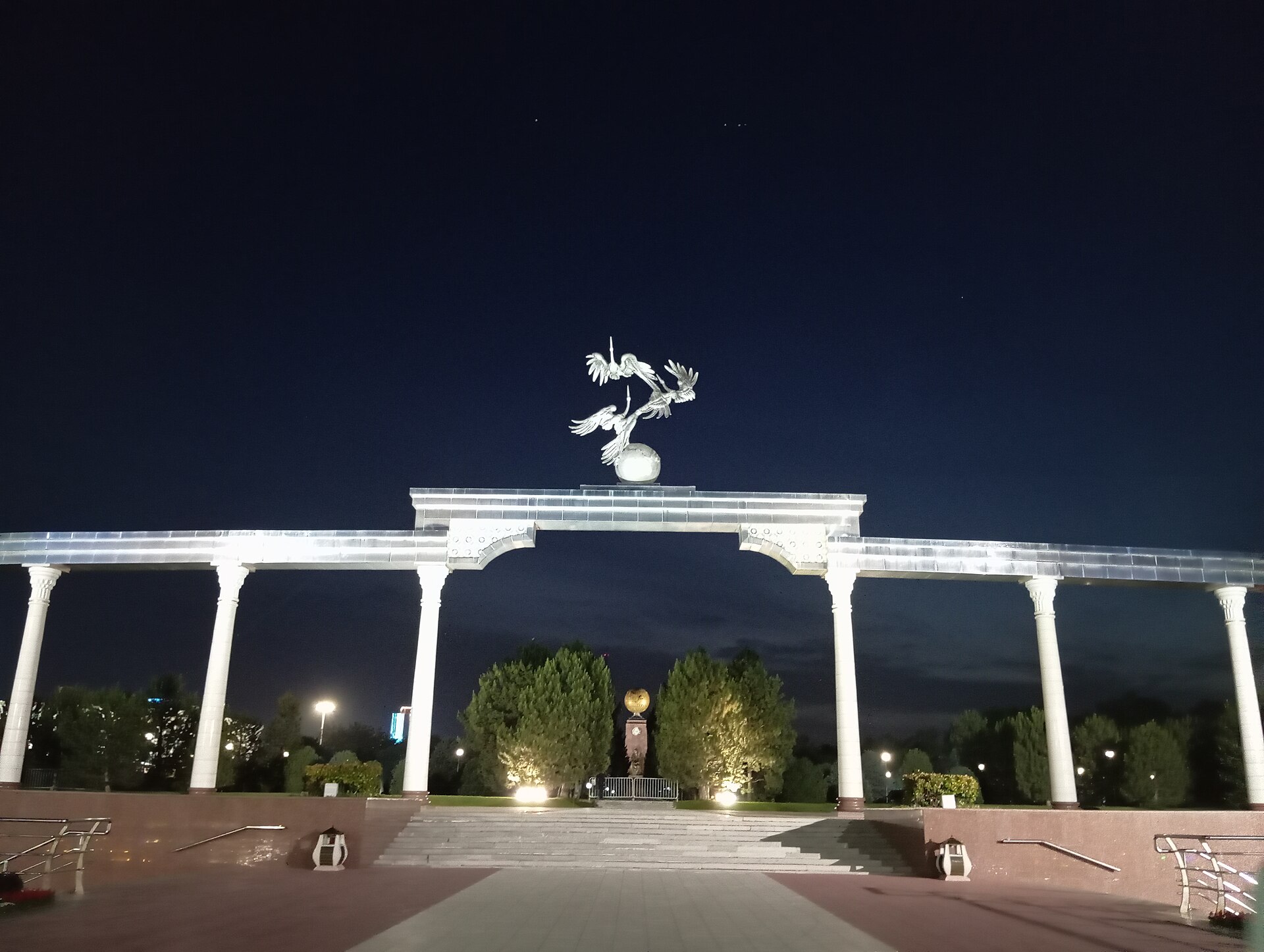
31 August 1991 is the date on which Uzbekistan declared its state independence. On that day the republic both declared independence and adopted the Constitutional Law On the Foundations of State Independence. It was this act that served as the main legal foundation of independent statehood until the new Constitution was adopted in 1992. This explainer sets out, in facts, that date and law, along with the main stages before and after it.
The Context: The August 1991 Coup
On 19-21 August 1991, the State Committee on the State of Emergency (GKChP) in Moscow attempted a coup against Soviet leader Mikhail Gorbachev. The coup's failure accelerated the process of declaring independence across the Soviet republics; Uzbekistan too declared its independence a few days later (Source: historical sources).
The 31 August Session: What Was Adopted
On 31 August 1991, an extraordinary session of the Supreme Soviet (Oliy Kengash) of the Uzbek SSR was held in Tashkent. The session adopted two main instruments: first, a resolution/declaration on declaring the independence of the Republic of Uzbekistan; and second, the Constitutional Law On the Foundations of State Independence of the Republic of Uzbekistan (officially, according to the records, act No. 336-XII of 31 August 1991). With this, the name Uzbek SSR was changed to Republic of Uzbekistan. The session declared 1 September to be Independence Day — a national holiday and a day off (Source: lex.uz; historical sources).

What the Law Established
The Constitutional Law On the Foundations of State Independence set out the basic principles of independent statehood. Under the law, Uzbekistan was declared an independent, democratic state; the Constitution and laws of the republic were given supreme force on its territory, and state power was divided into legislative, executive, and judicial branches. The law affirmed the territorial integrity of the state and the inviolability of its borders; the right to establish its own Ministry of Defence and National Guard; that the land, subsoil resources, waters, forests, and enterprises on the republic's territory were national property; the right to conduct an independent foreign policy, establish diplomatic relations, and conclude international treaties; and it established its own citizenship (Source: lex.uz, text of Constitutional Law No. 336-XII).
The Stages That Followed
This interim Constitutional Law remained the main legal foundation until the new Constitution was adopted on 8 December 1992. On 29 December 1991 a nationwide referendum on independence was held, at the same time as the presidential election; according to the official figure of the Central Election Commission, about 98 percent of those voting approved independence. Islom Karimov was the sitting president: the office of president had been established in 1990, and he was first elected by the Supreme Soviet on 24 March 1990 and then directly elected president in a nationwide vote on 29 December 1991 (Source: historical sources; official results of the Central Election Commission).
Keeping the Dates Straight
It is important to distinguish the legal stages on the road to independence: 20 June 1990 — the Declaration of State Sovereignty of the Uzbek SSR (sovereignty still within the Union); 31 August 1991 — full state independence, the Constitutional Law, and the change of the republic's name; 29 December 1991 — the referendum that confirmed independence; 8 December 1992 — the new Constitution (the permanent legal basis). Today 1 September is celebrated as Uzbekistan's main state holiday, Independence Day.
